Author: contact@promarineelectronics.com

  • Buy Garmin GPSMAP 1242xsv Chartplotter Online: In Stock

    Buy Garmin GPSMAP 1242xsv Chartplotter Online: In Stock

    Offshore and deep-water navigation is unforgiving. Bottom contours shift from a flat shelf to a drop-off in a few boat lengths, fog hides the next buoy, and a small-screen display makes every decision harder. A 12-inch chartplotter changes that. The Garmin GPSMAP 1242xsv GN+ pairs a large, sunlight-readable keyed display with built-in 1kW CHIRP, ClearVu and SideVu sonar, so you can navigate and find fish from one helm unit.

    [BUY NOW: Check Garmin GPSMAP 1242xsv Stock & Direct Pricing]

    Garmin GPSMAP 1242xsv GN+ Chartplotter/Fishfinder – $2,399.99 – in stock

    Check Availability & Order Direct →

    Note: we do not currently list a GPSMAP 1243xsv. The 1242xsv GN+ is the 12-inch xsv model we stock, and it is the one covered below.
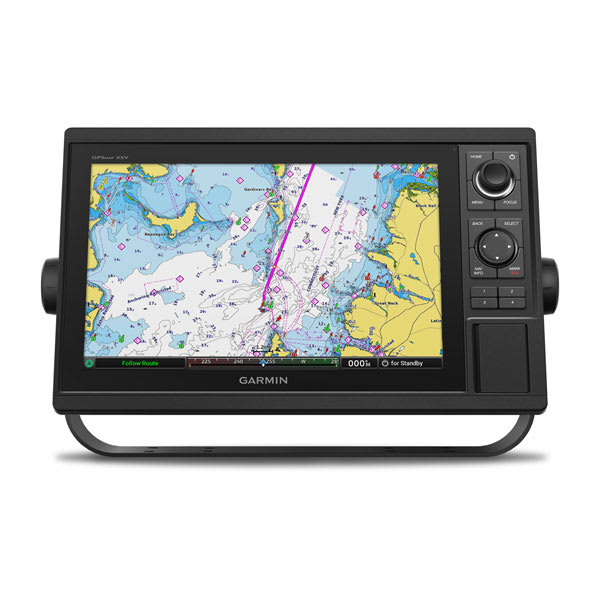
    Garmin GPSMAP 1242xsv GN+ chartplotter fishfinder installed on boat dashboard
    Garmin GPSMAP 1242xsv GN+: 12-inch keyed chartplotter and fishfinder.

    Why Buy the Garmin GPSMAP 1242xsv Online?

    A chartplotter is a safety and fishing tool you rely on every trip, so the details matter. This unit is built for demanding marine environments and uses physical keys rather than a touchscreen, which many captains prefer when spray, gloves and rough water make touch controls unreliable. If you want to see how it fits among other choices first, read our chartplotter comparison and best fish finders by budget.

    Buying online also saves time. You can compare the specifications below at your own pace, check the live price and stock status on the product page, and message us with your boat details if you want a second opinion before you order. That means no guessing at the counter and no waiting for a callback to learn whether the unit is available.

    Garmin GPSMAP 1242xsv Key Specifications

    Specification Garmin GPSMAP 1242xsv GN+
    Screen size 12-inch sunlight-readable display
    Controls Keyed (keypad-operated)
    Sonar Internal 1kW dual-channel CHIRP with ClearVu and SideVu scanning sonar. Exact operating frequencies depend on the transducer you connect.
    Network and data ports NMEA 2000 and NMEA 0183 dual-bus connectivity
    Map coverage Garmin Navionics+ preloaded inland and coastal charts for the US and Canada
    Navigation Auto Guidance+ technology with waypoint management
    Expandability Supports Panoptix LiveScope and GMR radar
    Price $2,399.99 (check the product page for the current price)

    What the specs mean on the water

    • 12-inch display: more room for split screens, so you can run chart, sonar and instrument data side by side.
    • 1kW CHIRP sonar: a wide sweep of frequencies produces clearer target separation than older single-frequency sonar.
    • ClearVu and SideVu: photo-like views of structure under and beside the boat. See how to read a fish finder screen for help interpreting them.
    • Preloaded charts: inland and coastal coverage for the US and Canada are ready to go out of the box.
    • Auto Guidance+: suggests a route to your destination, helping you plan around known hazards. It supports, but never replaces, good seamanship.

    Value & ROI: Garmin GPSMAP 1242xsv vs Legacy MFD Units

    If your current display is more than a few years old, the gap is larger than screen size alone. The comparison below sets out what typically changes. Specific legacy models vary, so use it as a guide.

      Garmin GPSMAP 1242xsv GN+ Typical legacy MFD
    Display 12-inch, sunlight-readable Often smaller, dimmer in direct sun
    Sonar 1kW CHIRP plus ClearVu and SideVu Often traditional or down-imaging only
    Charts Navionics+ US and Canada preloaded Older chart cards that need updating
    Expansion Panoptix LiveScope and GMR radar support Often limited or none
    Networking NMEA 2000 and NMEA 0183 Varies

    Where the return comes from: one display replaces separate sonar and chart units, which means one mount, one power feed and one screen to learn. Better target detail helps you spend less time on empty water, and clear charts help you avoid expensive groundings. Fewer boxes also means fewer failure points. Looking at live sonar later? Read traditional vs live sonar and browse our forward-facing live sonar range.

    Who Should Buy the GPSMAP 1242xsv?

    Offshore and coastal anglers who want to mark structure, bait and drop-offs without switching between screens. Cruisers and day boaters who want large, clear charts at the helm and a route-suggestion tool for unfamiliar water. Upgraders replacing an older display who want sonar and navigation in one unit, with room to add radar or live sonar later. If you mostly fish small lakes from a compact boat, a smaller unit may be enough, so compare it against the options in our budget guide first.

    Top 3 Buyer Questions About the GPSMAP 1242xsv

    Is the screen readable in direct sunlight?

    Yes. The 12-inch display is sunlight-readable, which is what you need when glare off the water is at its worst. Combined with keyed controls, it stays usable in spray and bright conditions where some touchscreens struggle.

    Which transducers work with it?

    The unit has an internal 1kW dual-channel CHIRP sonar with ClearVu and SideVu scanning, so you need a compatible transducer to use them. Match the transducer to your hull type and the sonar views you want. Our guides understanding transducers and best transducers to upgrade your fish finder explain the options. If you are unsure, contact us with your boat details and we will help you choose.

    Can I add radar?

    Yes. The GPSMAP 1242xsv supports Garmin GMR radar as well as Panoptix LiveScope. Radar helps you see weather, other vessels and land in poor visibility. For background, read understanding marine radar.

    Before You Buy: A Quick Checklist

    • Measure the helm space and check the viewing angle for a 12-inch display.
    • Decide which sonar views you want and choose a compatible transducer.
    • List the NMEA 2000 and NMEA 0183 devices you want to connect.
    • Plan power and cable runs before you start drilling.

    Our mounting marine electronics guide covers the installation essentials. Prefer to compare brands first? See Garmin vs Lowrance vs Humminbird, or chartplotter vs phone GPS apps if you are weighing an upgrade from a phone.

    Order Your Garmin GPSMAP 1242xsv Today

    The Garmin GPSMAP 1242xsv GN+ gives you a large, sunlight-readable keyed display, 1kW CHIRP with ClearVu and SideVu, preloaded US and Canada charts and room to add radar and live sonar. It is in stock at $2,399.99. Ask us about warranty coverage and fitment before you order, and we will confirm the details for your boat.

  • Buy Garmin LiveScope 2 HD: Price, Specs & Shipping

    Buy Garmin LiveScope 2 HD: Price, Specs & Shipping

    Paying over $2,000 for a transducer is a big call, so you want proof it’s worth it. If you’re tired of guessing what that mark on your screen is, the Garmin LiveScope 2 HD (LVS42HD) shows fish and structure moving in real time. It adds 50% more close-range detail, casts out to 125ft and plugs straight into compatible Garmin displays. Order direct, in stock today.

    In stock now: Garmin LiveScope 2 HD Transducer (LVS42HD) – $2,199.99

    Genuine Garmin stock with manufacturer backing and fast nationwide shipping. Check Availability →

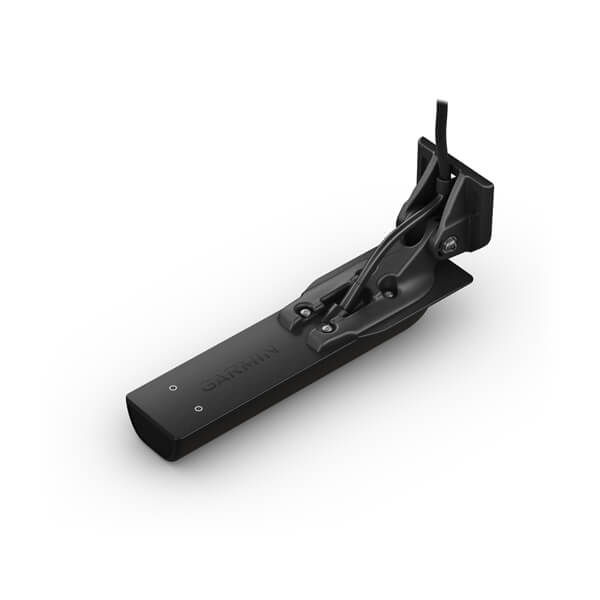
    Garmin LiveScope 2 HD LVS42HD live sonar transducer for forward-facing sonar
    Garmin LiveScope 2 HD Transducer (LVS42HD), in stock at $2,199.99.

    Garmin LiveScope 2 HD Key Features & Specifications

    • Forward-facing live sonar: see fish, bait and structure moving in real time, not just beneath the hull.
    • 50% more detail at close range: Garmin’s newest, clearest LiveScope image for sharper targets.
    • Castable to 125ft: scan a wide area around the boat before you make a single cast.
    • No separate black box: connects directly to compatible Garmin MFDs, so there is less wiring and less to mount.
    • Mounting hardware included: shaft mount, trolling motor barrel mount and a power/network cable with adapter.
    • Genuine Garmin product: supplied by an authorised stockist with full manufacturer warranty, not a grey import.

    Price: $2,199.99  |  Model: LVS42HD  |  Availability: in stock. Always confirm compatibility with your display before you buy.

    Why Choose the Garmin LiveScope 2 HD?

    You stop guessing and start targeting. Traditional sonar only shows what has already passed under the boat. Live sonar shows what is ahead, so you can see whether fish are on a target, follow a bait and watch how they react to your presentation.

    You save fishing time. Scanning cover and open water from a distance helps you rule out empty spots fast, which means more time with a line in productive water. That is where the return on the purchase comes from.

    It keeps your setup simple. With no separate black box, you work with one transducer, one cable and your existing compatible Garmin display. Everything needed to mount it is in the box.

    It is backed properly. You buy a genuine Garmin unit with manufacturer backing and fast nationwide shipping. Not sure live sonar is right for you? Read traditional sonar vs live sonar and the best forward-facing live sonar systems.

    LiveScope 2 HD vs the Alternative

      Garmin LiveScope 2 HD Humminbird MEGA Live 2
    Price $2,199.99 $1,399.99
    Sonar type Forward-facing live sonar Forward-facing live sonar
    Runs best with Compatible Garmin displays Compatible Humminbird displays
    Black box needed No Check product page
    Product page View LiveScope 2 HD View MEGA Live 2

    Already running Garmin? LiveScope 2 HD is the natural fit. On another brand, compare options in our Garmin vs Lowrance vs Humminbird guide.

    Humminbird MEGA Live 2 forward-facing sonar, an alternative to the Garmin LiveScope 2 HD
    The alternative: Humminbird MEGA Live 2 forward-facing sonar.

    Buyer FAQs: Your Top Questions Answered

    Will it work with my chartplotter?

    LiveScope 2 HD connects directly to compatible Garmin MFDs, so the key is your display model. If you are unsure, contact us before you order and we will confirm compatibility.

    Is it worth $2,199.99 over standard sonar?

    If you fish structure, suspended fish or shallow cover, yes. Seeing targets live changes how you position the boat and where you cast. If you mainly need depth and bottom detail, a standard unit from our best fish finders by budget list may suit you better.

    Is this genuine, and what comes in the box?

    Yes. It is genuine Garmin stock with manufacturer warranty, not a grey import. The box includes the transducer, a shaft mount, a trolling motor barrel mount and a power/network cable with adapter.

    Get Your Garmin LiveScope 2 HD Today

    The Garmin LiveScope 2 HD gives you a real-time view of fish and structure, 125ft of casting range and a simple, black-box-free install. It’s in stock at $2,199.99 with fast nationwide shipping. Order Direct Today, or browse more in our live sonar range.

  • Best Underwater Fishing Cameras

    Best Underwater Fishing Cameras

    If you’re shopping for an underwater fishing camera, here’s what actually separates a good one from a gimmick — and the model we currently stock that checks the right boxes.

    Aqua-Vu MICRO Revolution Pro — Best Overall Pick

    The Aqua-Vu MICRO Revolution Pro ($279.99) delivers 1080p HD video, a 40ft cable, and built-in LED lighting — enough depth and image quality for ice fishing, dock fishing, and pre-fishing structure scouting in one package.

    Why Cable Length Matters

    A 40ft cable covers the large majority of recreational ice fishing and dock/pier depths. If you’re regularly fishing significantly deeper water, check a camera’s rated cable length carefully before buying — running past the rated length isn’t advisable.

    Why Built-In Lighting Is Worth Paying For

    Natural light fades fast with depth, and a camera without its own light source becomes nearly useless past the first several feet in anything but the clearest water. The MICRO Revolution Pro’s built-in LEDs solve this directly rather than requiring a separate light accessory.

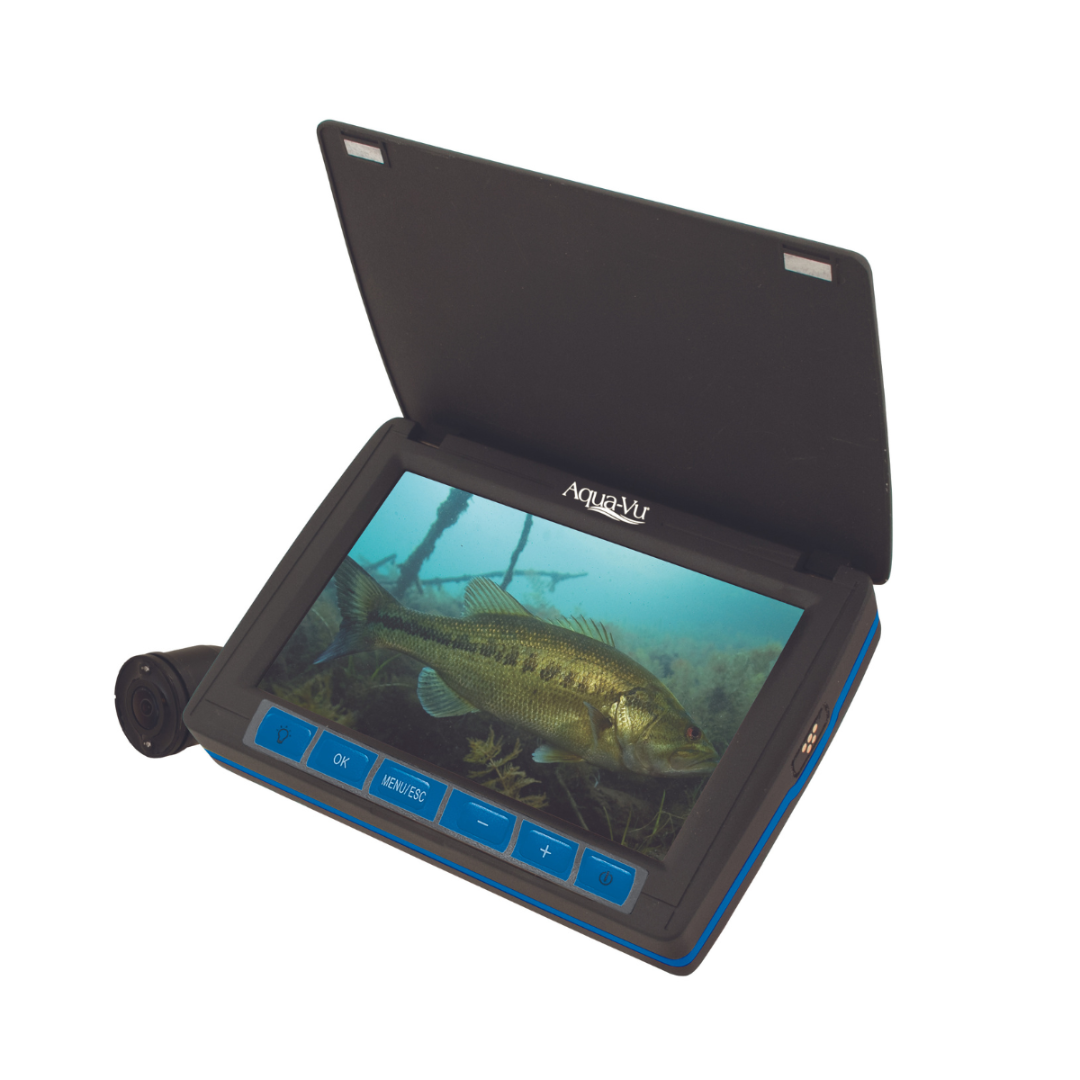
    Aqua-Vu underwater fishing camera
    Built-in LED lighting and a 1080p sensor make the Aqua-Vu MICRO Revolution Pro usable well below the surface.

    Video Quality vs. Live Viewing

    If your priority is watching fish react to bait in real time, a topside-display model like this one is the right category. If you’d rather capture footage to review and share afterward, a general waterproof action camera on a pole rig is a different approach worth considering separately.

    Frequently Asked Questions

    Which underwater camera is best for ice fishing specifically?
    A model with a live topside display and built-in lighting, like the Aqua-Vu MICRO Revolution Pro, is the standard choice for ice fishing.

    How deep can the Aqua-Vu MICRO Revolution Pro go?
    It’s rated for its full 40ft cable length — stay within that rating for reliable performance.

    Do I need a separate light for underwater fishing video?
    Not with this camera — its built-in LED lighting is designed to handle typical depth and clarity conditions without an add-on light.

    Is 1080p resolution enough for an underwater fishing camera?
    Yes, for identifying fish species, size, and behavior at typical fishing depths, 1080p is more than sufficient.

    Want the bigger picture first? Read do you need an underwater fishing camera?, or browse the full fish finders and chartplotters category.

  • Do You Need an Underwater Fishing Camera?

    Do You Need an Underwater Fishing Camera?

    An underwater fishing camera won’t catch fish for you, but it answers a question sonar can’t: what’s actually down there and how are fish reacting to your bait, right now, in real time.

    What an Underwater Camera Adds That Sonar Doesn’t

    Sonar shows you where fish and structure are as arches and shapes; a camera shows you the fish itself, species, size, and behavior toward your bait or lure. That’s a genuinely different kind of information — useful for identifying species before you hook up, and for diagnosing why fish are marking on sonar but not biting.

    How Dedicated Fishing Cameras Work

    The Aqua-Vu MICRO Revolution Pro ($279.99) is built specifically for this — a 1080p HD camera on a 40ft cable with built-in LED lights and a display topside, designed for ice fishing, dock fishing, and checking structure before you commit a spot.

    Where It Genuinely Helps

    An underwater camera earns its keep most clearly for ice fishing, dock and pier fishing, and scouting new structure before committing time to a spot. Built-in LED lighting also makes a real difference in deeper or lower-light water, where a camera without its own light source struggles.

    Aqua-Vu underwater fishing camera with topside display
    Dedicated fishing cameras like the Aqua-Vu MICRO Revolution Pro show a live topside feed as you lower the camera.

    When Sonar Still Makes More Sense

    For open-water trolling or offshore fishing, sonar generally remains the more practical primary tool, since it covers a wide area rather than the narrow, direct view a camera provides. Most serious anglers treat an underwater camera as a specialty add-on rather than a sonar replacement.

    Frequently Asked Questions

    Is an underwater camera a replacement for a fish finder?
    No — they serve different purposes. A fish finder covers a wide area via sonar; a camera shows a direct, narrow view exactly where you lower it.

    Do underwater cameras work in murky water?
    Visibility depends heavily on water clarity — cameras perform best in clear to moderately clear water and are less useful in very murky conditions.

    Does the Aqua-Vu’s built-in lighting really matter?
    Yes — natural light drops off quickly with depth, so built-in LED lighting like the MICRO Revolution Pro’s is what keeps the image usable below the first few feet.

    What’s the cable length on the Aqua-Vu MICRO Revolution Pro?
    It comes with a 40ft cable, enough depth for most ice fishing, dock, and shallow-water scouting use cases.

    Ready to see the full spec sheet? Check out the Aqua-Vu MICRO Revolution Pro, or browse the full fish finders and chartplotters category.

  • Best Transducers to Upgrade Your Fish Finder

    Best Transducers to Upgrade Your Fish Finder

    Upgrading a transducer is often the single best value upgrade you can make to an existing fish finder — you keep the display you already know and get meaningfully better data. Here’s where to start depending on your budget and goals.

    Garmin GT56UHD-TM — Best All-Round Upgrade

    The Garmin GT56UHD-TM ($349.99) covers CHIRP, ClearVu, and SideVu in one transducer, making it the most complete general-purpose upgrade for anglers who don’t already have structure-scanning sonar.

    Garmin LiveScope 2 HD — Best for Real-Time Live Sonar

    For anglers who want to see fish and structure move in real time rather than scroll past on history, the Garmin LiveScope 2 HD ($2,199.99) is the current benchmark, though it’s a significant step up in price over standard CHIRP/ClearVu transducers.

    Garmin LiveScope Plus System — Best Bundled Live Sonar Kit

    If you want live sonar without piecing together components separately, the Garmin LiveScope Plus System ($1,299.99) bundles the transducer and processing black box together as a complete kit.

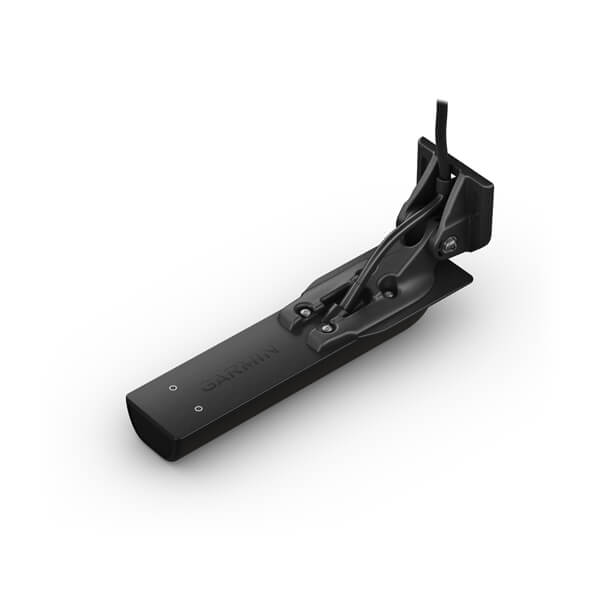
    Garmin GT56UHD-TM transducer upgrade
    A single CHIRP/ClearVu/SideVu transducer upgrade often delivers the biggest jump in image quality for the price.

    Checking Compatibility Before You Buy

    Not every transducer works with every display — connector type, supported scanning modes, and mounting style all need to match your existing chartplotter or fish finder. It’s worth checking your display’s specific compatibility list before ordering.

    Frequently Asked Questions

    Will any transducer work with my existing fish finder?
    No — always check your display’s compatible transducer list, as connector type and supported scanning modes vary between brands and models.

    Is a transducer upgrade worth it over buying a whole new fish finder?
    Often, yes — if your display already supports advanced scanning modes, a transducer upgrade can unlock significantly better data at a fraction of the cost of a new unit.

    What’s the easiest transducer upgrade for a beginner?
    A combined CHIRP/ClearVu/SideVu unit like the GT56UHD-TM is a straightforward, well-rounded upgrade that doesn’t require learning an entirely new sonar mode.

    Do I need professional installation for a new transducer?
    Many anglers install transom or trolling-motor mounted transducers themselves, though through-hull installations are usually best left to a professional.

    New to how these technologies actually work? Read understanding transducers: CHIRP, ClearVu, SideVu, and LiveScope explained, or browse the full fish finders and chartplotters category.

  • Understanding Transducers: CHIRP, ClearVu, SideVu, and LiveScope Explained

    Understanding Transducers: CHIRP, ClearVu, SideVu, and LiveScope Explained

    The display gets all the attention, but a fish finder is only as good as the transducer feeding it data. CHIRP, ClearVu, SideVu, and LiveScope all sound similar on a spec sheet but show you genuinely different things underwater.

    CHIRP Sonar — The Foundation

    CHIRP (Compressed High-Intensity Radiated Pulse) sends a sweep of frequencies rather than one fixed frequency, giving sharper target separation and better detail than older single-frequency sonar. Most modern transducers, including the Garmin GT56UHD-TM ($349.99), build CHIRP in as the baseline.

    ClearVu and SideVu — Structure Scanning

    Where CHIRP shows fish as arches beneath the boat, ClearVu and SideVu scan in narrow, high-resolution slices that produce a near-photographic image of structure below and to the sides of the boat — the GT56UHD-TM covers all three in one transducer, which is why it’s a popular single upgrade.

    LiveScope — Real-Time Live Sonar

    The step up from traditional CHIRP/ClearVu is live sonar. The Garmin LiveScope 2 HD ($2,199.99) shows fish and structure moving in real time rather than as a scrolling history, which is why serious anglers increasingly treat it as a separate purchase from a standard CHIRP/ClearVu unit.

    Garmin GT56UHD-TM CHIRP ClearVu SideVu transducer
    The Garmin GT56UHD-TM combines CHIRP, ClearVu, and SideVu scanning in a single transducer.

    Frequently Asked Questions

    Do I need a new transducer if I upgrade my fish finder display?
    Not always — check whether your existing transducer is compatible with the new display’s connector and supported scanning modes before buying a new one.

    What’s the real difference between ClearVu and SideVu?
    ClearVu scans a narrow slice directly beneath and slightly to the sides; SideVu extends that scanning further out to each side of the boat.

    Is LiveScope worth the extra cost over CHIRP/ClearVu?
    For anglers actively targeting fish in real time — bass, crappie, forward-facing sonar fishing styles — many say yes; for general cruising and casual fishing, standard CHIRP is usually enough.

    Can one transducer do CHIRP, ClearVu, and SideVu at once?
    Yes — transducers like the GT56UHD-TM are built to handle all three scanning modes from one unit.

    Ready to compare specific upgrade options? See best transducers to upgrade your fish finder, or browse the full fish finders and chartplotters category.

  • Best Mounts for Marine Electronics

    Best Mounts for Marine Electronics

    The right mount depends on whether you’re bolting in a permanent helm display, need to remove a unit between trips, or you’re fitting a compact fish finder onto a kayak. Here’s a practical shortlist covering each case.

    Garmin Quick Release Mount Kit — Best for Removable Displays

    The Garmin Quick Release Mount Kit ($47.99) is the go-to choice if you want to pull your chartplotter off for storage or security between trips, without compromising a solid fit underway.

    RAM Mounts Low Profile Track System — Best for Flexible Positioning

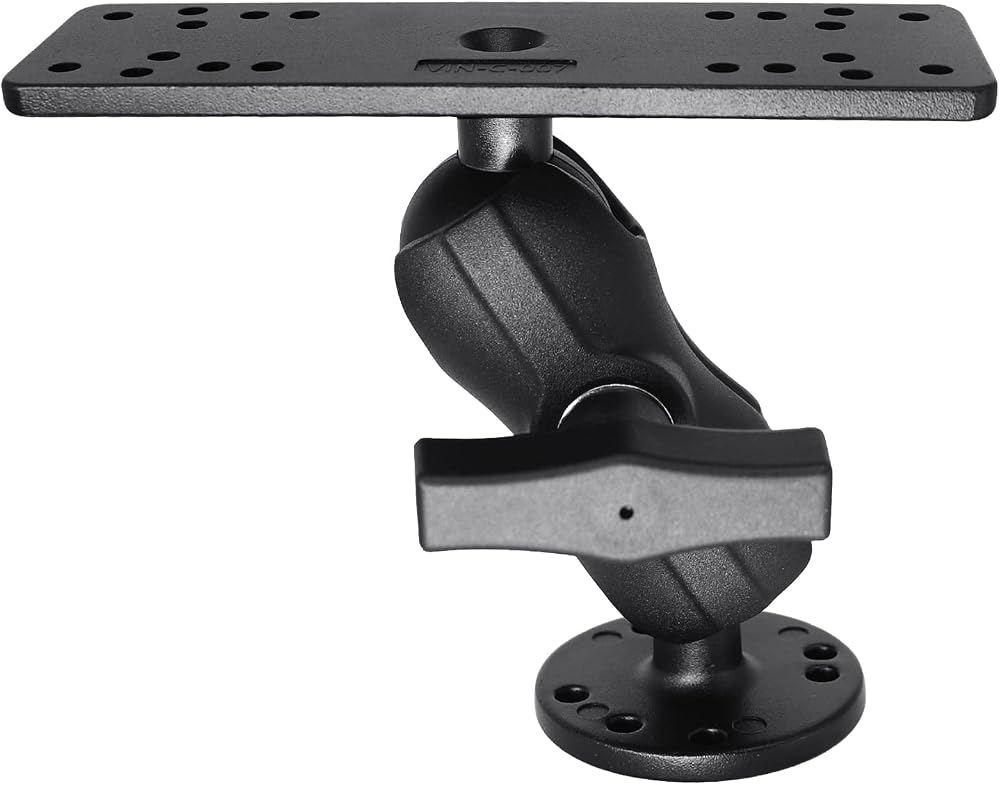
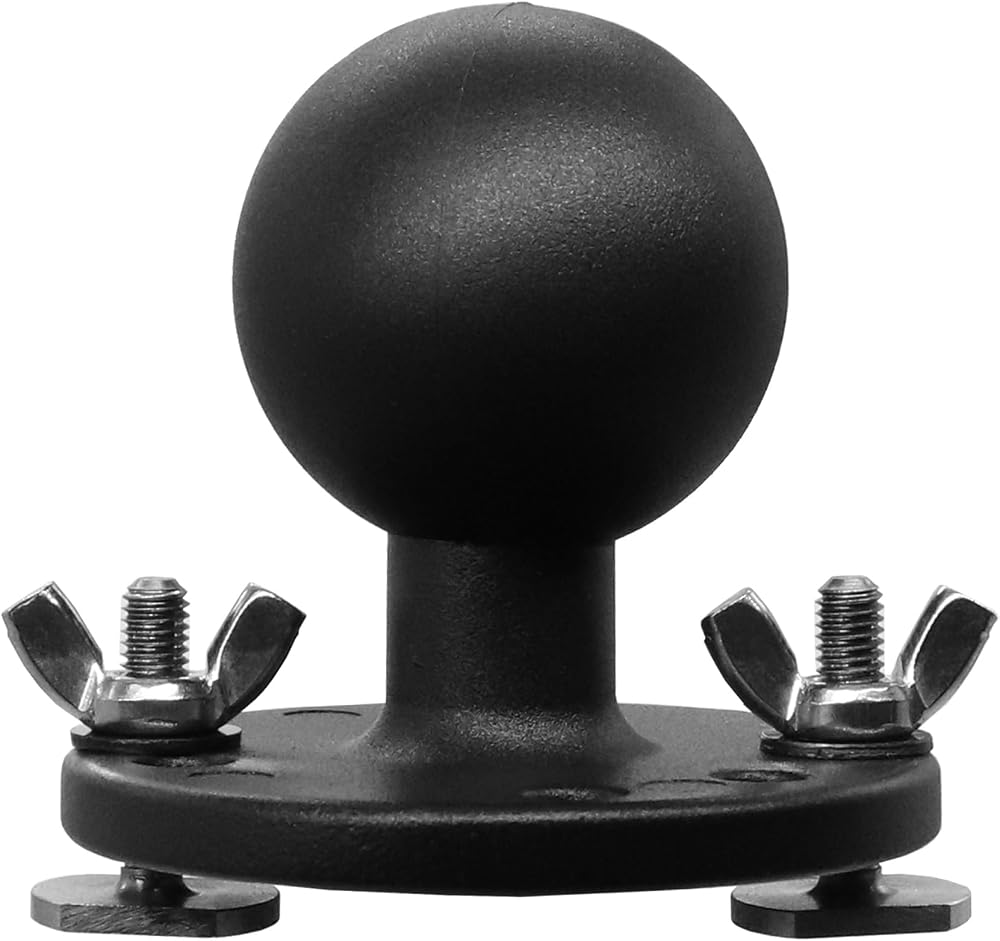
    The RAM Mounts Low Profile Track System ($89.99) is ideal if you’re still dialing in your ideal helm layout, or want to swap a display, camera, or rod holder into the same rail as needed.

    RAM Mounts Garmin Striker Ball Mount — Best for Kayaks

    Purpose-built for smaller cockpits, the RAM Mounts Kayak Kit ($34.99) secures a compact fish finder without eating into limited kayak deck space.

    Brocraft Universal Transducer Arm — Best for Transducer Fine-Tuning

    For getting transducer angle and depth exactly right, the Brocraft Universal Transducer Arm ($49.99) allows adjustment after installation, which fixed transom mounts don’t easily allow.

    RAM Mounts ball mount kit for kayak fish finder
    Kayak-specific mount kits keep compact fish finders secure without taking up scarce cockpit space.

    Frequently Asked Questions

    Which mount type is best for a first-time installation?
    A fixed or quick-release mount matched to your display’s official bracket is usually the simplest and most reliable starting point.

    Are RAM Mounts compatible with most chartplotter brands?
    RAM’s track and ball-mount systems are widely compatible across brands, though it’s worth checking your specific display’s mounting bracket spec before buying.

    Do kayak mounts fit small boats too?
    Many do, particularly ball-mount kits, though a track system generally offers more flexibility on a larger boat.

    How much does mount quality really affect sonar performance?
    For displays, mount quality mainly affects vibration and readability; for transducers, mount position and angle can meaningfully affect sonar accuracy.

    New to electronics mounting generally? Start with mounting your marine electronics: a complete guide, or browse the full fish finders and chartplotters category.

  • Mounting Your Marine Electronics: A Complete Guide

    Mounting Your Marine Electronics: A Complete Guide

    A brilliant chartplotter or fish finder is only as good as the mount holding it — a loose or flexing mount vibrates a screen until it’s unreadable and, worse, can fail outright in a chop. Here’s how to think about mounting before you buy.

    Fixed vs. Quick-Release Mounts

    A permanently bolted mount is the most rigid option and the right choice for a primary chartplotter at the helm. But for a unit you want to remove between trips — common on smaller boats and kayaks — a Garmin Quick Release Mount Kit ($47.99) lets you pull the display off in seconds without losing a secure fit while underway.

    Track Mount Systems

    Rather than committing to one fixed position, a track-mount system like the RAM Mounts Low Profile Track System ($89.99) lets you reposition a display, rod holder, or camera along a rail — particularly useful if you’re still working out the best layout for your helm or cockpit.

    Mounting Transducers Correctly

    Transducer placement matters as much as display placement. A Brocraft Universal Transducer Arm ($49.99) lets you fine-tune transducer depth and angle after installation — important because even a few degrees of misalignment can noticeably degrade sonar return quality.

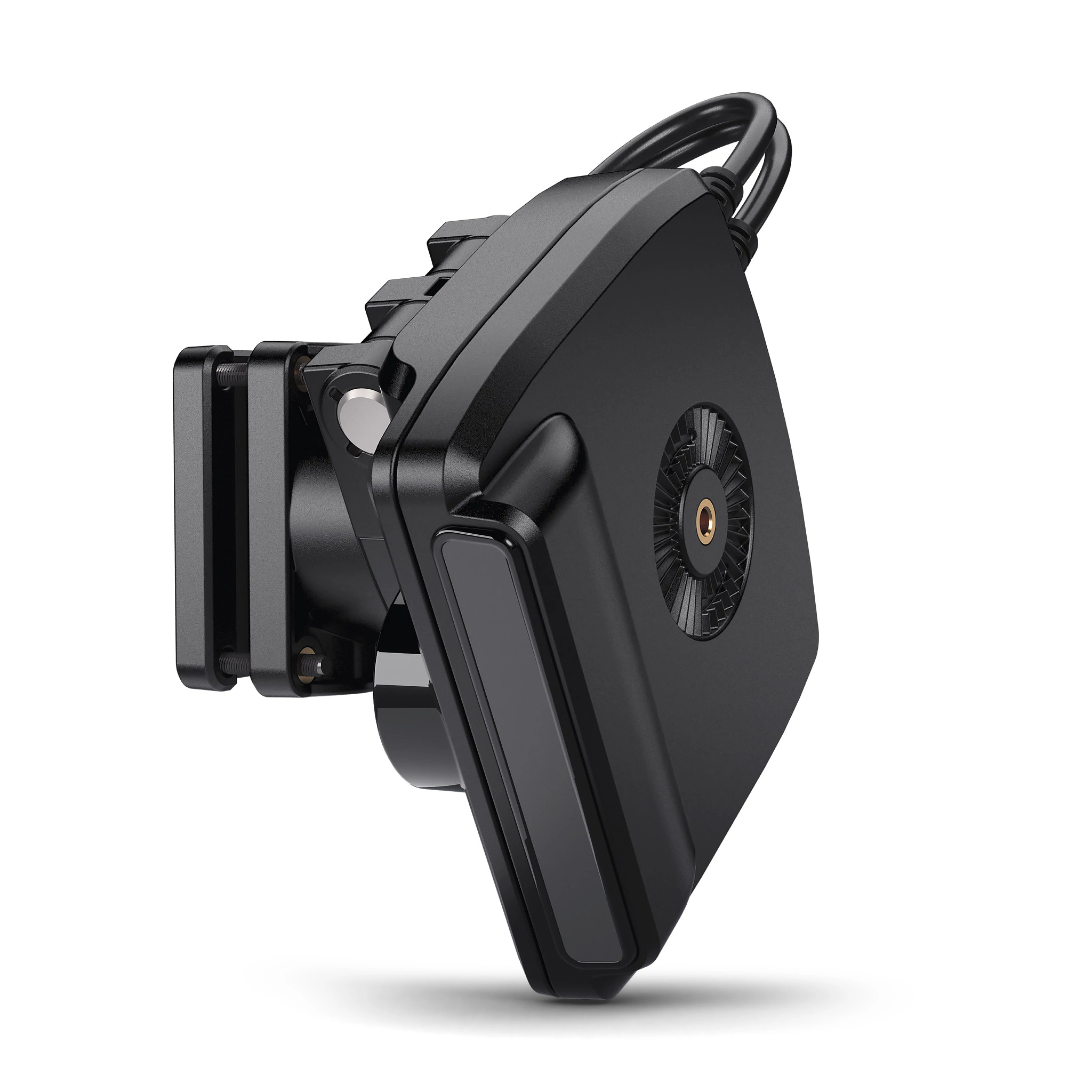
    Garmin quick release mount kit for marine chartplotter
    Quick-release mounts let you remove a display for storage without sacrificing a rigid fit underway.

    Mounting on Kayaks and Small Boats

    Space is tighter and vibration is different on a kayak, so purpose-built kits matter more. A dedicated kayak ball-mount kit keeps a compact fish finder secure without eating up cockpit space you need for tackle and paddling.

    Frequently Asked Questions

    Do I need a different mount for a transducer than for a display?
    Yes — transducer mounts need to allow angle and depth adjustment in the water, while display mounts prioritize rigidity and viewing angle.

    Can I move a fixed-mount chartplotter between boats?
    Not easily — a fixed mount is designed to stay in place. A quick-release system is the better choice if you plan to move a unit between boats or seasons.

    What causes screen vibration on a mounted chartplotter?
    Usually a loose mount, an undersized mount for the display’s weight, or a mounting surface that flexes at speed — upgrading to a rigid track or fixed mount usually resolves it.

    Does transducer mount position affect sonar accuracy?
    Significantly — incorrect angle or turbulent water at the mount point can distort or weaken the sonar return, even with premium hardware.

    Ready to shop specific hardware? See our picks in best mounts for marine electronics, or browse the full fish finders and chartplotters category.

  • Best Two-Way Radios for Boaters

    Best Two-Way Radios for Boaters

    Not every on-water communication need calls for a marine VHF radio. Crew-to-crew chatter, docking directions, fishing tournament coordination, and shore-to-boat contact within a mile or two are all jobs a consumer two-way radio handles well — often more simply and cheaply than VHF. Here’s how the current lineup compares.

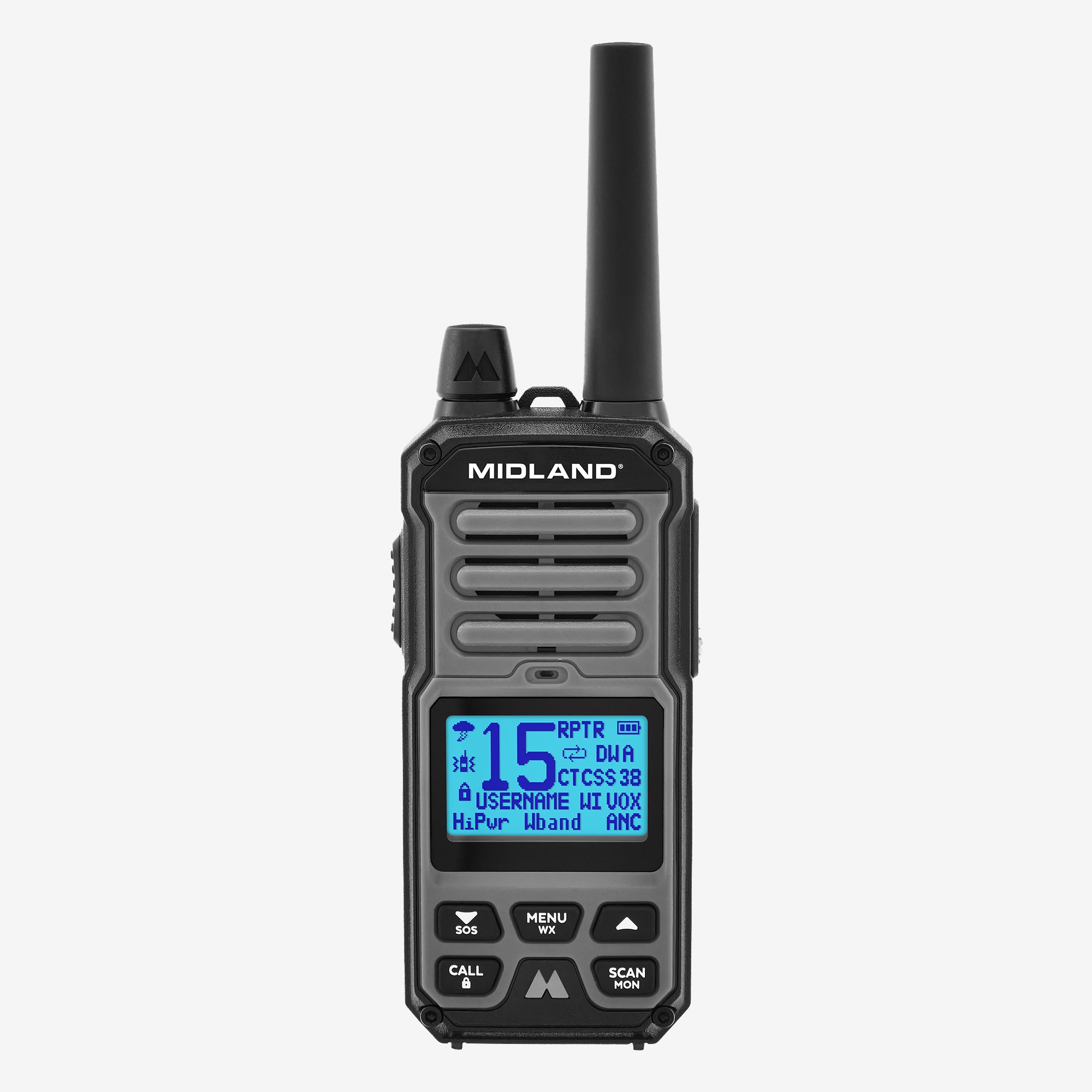
    Midland GXT67 PRO GMRS two-way radio
    GMRS radios like the Midland GXT67 PRO offer longer range than basic FRS units for crew and dock communication.

    Best Overall: Midland GXT67 PRO

    The Midland GXT67 PRO 5-Watt GMRS Two-Way Radio ($219.99) leads with genuine 5-watt GMRS output for real range, well beyond basic FRS radios — a strong choice for boat-to-boat or boat-to-shore communication over open water where distance matters.

    Best Value Pair: Motorola TALKABOUT T802

    The Motorola TALKABOUT T802 Two-Way Radio (2-Pack) ($105.00) is a reliable, no-fuss FRS/GMRS pair well suited to crew communication around the boat, docking guidance, or keeping in touch with someone on shore at closer range.

    Best Waterproof Option: Cobra ACXT645

    The Cobra ACXT645 Waterproof Walkie Talkies (2-Pack) ($89.95) is built specifically to handle spray and splash, making it a smart pick for anyone regularly near the water’s edge — wakeboarding, tubing, or dinghy trips where a standard radio would be a liability.

    Best for Simple, Reliable Business-Grade Use: Motorola CLS1110

    The Motorola CLS1110 1-Channel Business Two-Way Radio ($197.00) is a rugged, single-channel unit built for business/commercial use — a good fit for charter operations, marinas, or fleet crews who want dead-simple, dependable one-channel communication without menus to navigate.

    Best Budget/Hobbyist Pick: BaoFeng UV-5R

    The BaoFeng UV-5R Dual-Band Handheld Radio ($22.99) is the least expensive option here by a wide margin, popular with hobbyists comfortable programming a dual-band radio themselves — note that, unlike the FRS/GMRS radios above, operating on many of its available frequencies requires an amateur (ham) radio license.

    Frequently Asked Questions

    Can I use a two-way radio instead of a marine VHF radio?
    Not for real marine safety communication — two-way radios aren’t monitored by the Coast Guard and don’t share channels with marine VHF. See our VHF marine radio channels guide for why a dedicated VHF radio still matters for safety.

    What’s the difference between FRS and GMRS radios?
    FRS (Family Radio Service) requires no license and is limited in power/range; GMRS (General Mobile Radio Service) allows higher power and longer range but technically requires an FCC license per household in the US — check current requirements for your specific radio and planned use.

    Do I need a license for the BaoFeng UV-5R?
    For its full frequency range, yes — an amateur radio (ham) license is generally required to legally transmit outside the FRS-only frequencies; it’s a popular choice specifically among licensed hobbyists.

    How far do these radios actually reach on the water?
    Real-world range is usually well under advertised figures and depends heavily on terrain and antenna height — expect a mile or two in typical on-water conditions, more in open water with no obstructions, less in marinas or around structures.

    Need real Coast Guard-monitored marine communication instead? See our top handheld VHF radios for boaters guide, or browse the full VHF & radio collection.

  • Protecting Marine Electronics from Saltwater and Corrosion

    Protecting Marine Electronics from Saltwater and Corrosion

    Saltwater is the single biggest threat to marine electronics — not because the units aren’t built for it, but because corrosion works quietly at connections, terminals, and mounting hardware long before it ever shows up as a failed display. A few consistent habits add years to the life of an expensive setup.

    Rinse After Every Saltwater Trip

    Fresh water rinse-downs are the single most effective, least expensive thing you can do. Salt crystallizes as it dries and becomes mildly corrosive and abrasive; a thorough freshwater rinse of the transducer, transom hardware, trolling motor shaft, and any exposed connectors after every saltwater outing removes it before it has a chance to work into seals and contacts. Don’t skip the areas you can’t easily see — up under gunwales, around transom-mount brackets, and inside rod holders near wiring runs.

    Battery Terminals and Connections

    Corrosion at battery terminals causes more “dead” electronics than actual component failure. A thin coat of dielectric grease or a purpose-made anti-corrosion terminal spray on battery posts and connector housings creates a barrier against moisture and salt air. Check terminals each season (more often in saltwater use) for the telltale white or greenish crust that signals corrosion has already started, and clean it promptly with a wire brush and terminal cleaner before reconnecting.

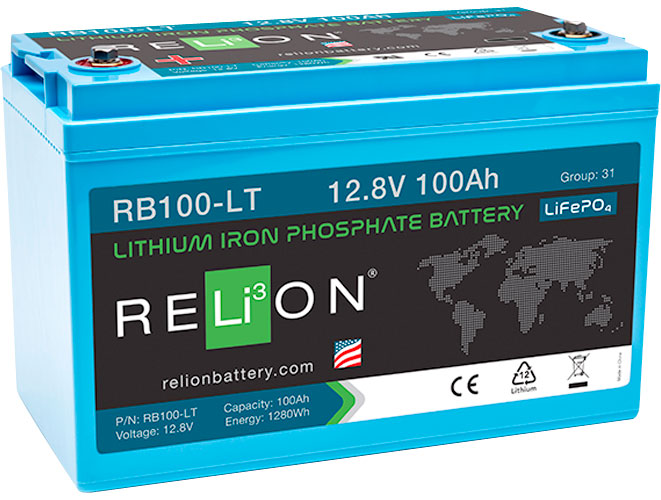
    Marine lithium battery with sealed terminals
    Sealed lithium batteries like the Relion RB100-LT resist corrosion better than older lead-acid designs, but terminals still need regular attention.

    Choosing Corrosion-Resistant Hardware From the Start

    Not all marine electronics hardware handles salt equally. Look for tinned copper wiring (resists corrosion far better than bare copper), marine-rated heat-shrink connectors instead of standard electrical tape, and stainless or anodized aluminum mounting hardware rather than plain steel. When choosing a charger, a smart marine charger like the NOCO Genius 10 or the Minn Kota MK-110PC On-Board Charger is built with marine environments in mind, which matters as much for the connection hardware as the charging electronics themselves.

    Consider Lithium for Reduced Maintenance

    Modern LiFePO4 lithium batteries like the Relion RB100-LT use sealed housings and terminal designs that generally resist corrosion better than traditional lead-acid batteries, on top of their weight and cycle-life advantages — worth factoring in if you’re replacing a battery bank anyway and fish saltwater regularly.

    Storage and Off-Season Care

    If a boat sits for weeks between saltwater trips, corrosion continues working even when you’re not using the boat — humid marine air alone is enough. Disconnecting batteries, applying a light protective coating to exposed terminals, and keeping electronics covered when not in use meaningfully slows this process during storage periods.

    Frequently Asked Questions

    Does a “waterproof” rating mean an electronic unit is also corrosion-proof?
    No — a waterproof (IPX) rating protects against water intrusion into the housing, but exposed connectors, mounting hardware, and battery terminals outside that sealed housing still need separate corrosion protection.

    How often should I check battery terminals for corrosion in saltwater use?
    At minimum once a season, but boaters who fish saltwater weekly often check monthly — catching corrosion early, while it’s still a light crust, is far easier than dealing with a badly corroded terminal later.

    Is dielectric grease actually necessary, or is it overkill?
    For saltwater use, it’s genuinely worth the few minutes it takes — it’s inexpensive, doesn’t harm connections, and meaningfully slows corrosion at exposed terminals and connector housings.

    Are freshwater boats at risk of corrosion too?
    Much less so, but humidity, condensation, and dissimilar-metal corrosion (galvanic corrosion between different metals in contact) can still occur even in freshwater use — the same basic habits just matter less urgently.

    Looking to upgrade your power setup while you’re at it? Browse our batteries & chargers collection, or see our trolling motor buying guide for battery sizing guidance.

🎁 10% OFF