If you’ve shopped for a fish finder in the last few years, you’ve seen the term “live sonar” plastered across the high end of the lineup — Garmin LiveScope, Lowrance ActiveTarget, Humminbird MEGA Live. It’s easily the biggest leap in recreational sonar since CHIRP, but it works completely differently from the sonar you grew up with. Here’s what’s actually different, and whether it’s worth the jump.
How Traditional Sonar (Including Down/Side Imaging) Works
Traditional 2D, CHIRP, down imaging, and side imaging all share one trait: they’re historical. The transducer pings straight down (or to the side), the echo returns, and the display scrolls that data across the screen as your boat moves. You’re always looking at where you were, a second or two in the past. It’s excellent for finding structure, bottom composition, and marking fish that were sitting in a spot — see our full breakdown in how fish finders actually work.
How Forward-Facing Live Sonar Works
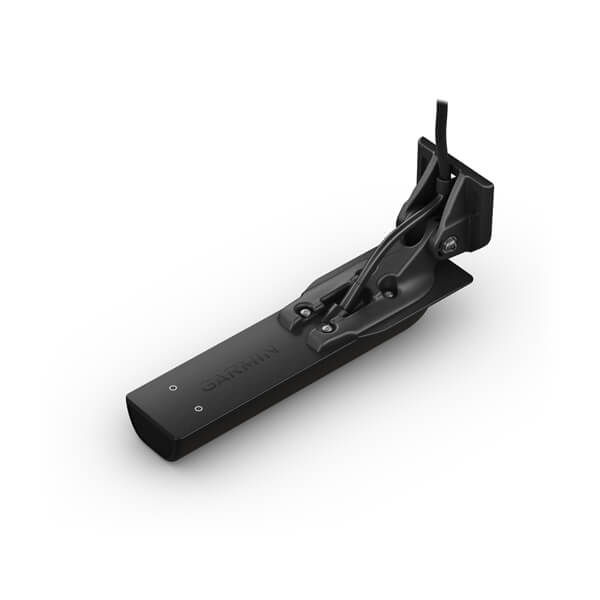
Live sonar (Garmin calls it LiveScope/Panoptix, Lowrance calls it ActiveTarget, Humminbird calls it MEGA Live) aims the beam forward or down in real time, refreshing several times per second instead of scrolling historically. Point it ahead of the boat and you watch fish swim, react to your lure, and move in or out of range live, with almost no lag. Point it straight down and you get a real-time look at what’s under the boat as you sit still — useful for vertical jigging or working a single piece of cover.
What Live Sonar Actually Changes on the Water
The practical difference is feedback speed. With traditional sonar, you mark a fish, then decide where to cast based on where it was. With live sonar, you watch your bait fall through the water column in real time and see whether a fish moves toward it, ignores it, or spooks — so you adjust retrieve speed, depth, or lure choice on the fly instead of guessing on the next pass. It’s especially dominant for suspended fish (crappie, bass holding off structure, schooling stripers) that traditional sonar struggles to target precisely.
Do You Need It, or Is Traditional Sonar Enough?
Live sonar isn’t a replacement for a good chartplotter and traditional/side imaging — most serious anglers run both, using scrolling sonar to find general areas and structure, then live sonar to pick off individual fish once they’re in the zone. If you mostly fish familiar water and rely on GPS waypoints and contour lines, a strong CHIRP/side-imaging unit like the ones in our best fish finders by budget guide will serve you well. If you fish suspended or highly mobile species and want to close, cast, and react in real time, live sonar earns its price premium quickly.
Frequently Asked Questions
Can I add live sonar to a fish finder I already own?
Often, yes. Garmin LiveScope and Lowrance ActiveTarget systems can typically be added as a second transducer feeding a compatible existing display — check your specific model’s compatibility before buying an add-on system rather than a full bundle.
Forward, down, or both — which mode do I need?
Forward mode is best for searching ahead and watching fish react while you’re moving or casting; down mode is best for vertical jigging or scanning directly beneath a stationary boat. Most systems, including the Garmin Panoptix LiveScope Plus System, let you switch between both from one transducer.
Is live sonar hard to learn to read?
There’s a learning curve of a few outings — the real-time image takes some getting used to compared to scrolling sonar — but most anglers pick up the basics faster than they expect because the picture is more intuitive, not less.
Does live sonar work well in shallow water?
Yes, and it’s arguably even more useful there, since precise casts matter more in tight cover. Down-imaging mode in particular excels at showing exactly where a fish is holding next to a dock piling or stump.
Ready to see real systems side by side? Our best forward-facing live sonar systems compared guide breaks down the current Garmin, Lowrance, and Humminbird lineups by price and capability, or browse the full live sonar collection directly.
Leave a Reply