Saltwater is the single biggest threat to marine electronics — not because the units aren’t built for it, but because corrosion works quietly at connections, terminals, and mounting hardware long before it ever shows up as a failed display. A few consistent habits add years to the life of an expensive setup.
Rinse After Every Saltwater Trip
Fresh water rinse-downs are the single most effective, least expensive thing you can do. Salt crystallizes as it dries and becomes mildly corrosive and abrasive; a thorough freshwater rinse of the transducer, transom hardware, trolling motor shaft, and any exposed connectors after every saltwater outing removes it before it has a chance to work into seals and contacts. Don’t skip the areas you can’t easily see — up under gunwales, around transom-mount brackets, and inside rod holders near wiring runs.
Battery Terminals and Connections
Corrosion at battery terminals causes more “dead” electronics than actual component failure. A thin coat of dielectric grease or a purpose-made anti-corrosion terminal spray on battery posts and connector housings creates a barrier against moisture and salt air. Check terminals each season (more often in saltwater use) for the telltale white or greenish crust that signals corrosion has already started, and clean it promptly with a wire brush and terminal cleaner before reconnecting.
Choosing Corrosion-Resistant Hardware From the Start
Not all marine electronics hardware handles salt equally. Look for tinned copper wiring (resists corrosion far better than bare copper), marine-rated heat-shrink connectors instead of standard electrical tape, and stainless or anodized aluminum mounting hardware rather than plain steel. When choosing a charger, a smart marine charger like the NOCO Genius 10 or the Minn Kota MK-110PC On-Board Charger is built with marine environments in mind, which matters as much for the connection hardware as the charging electronics themselves.
Consider Lithium for Reduced Maintenance
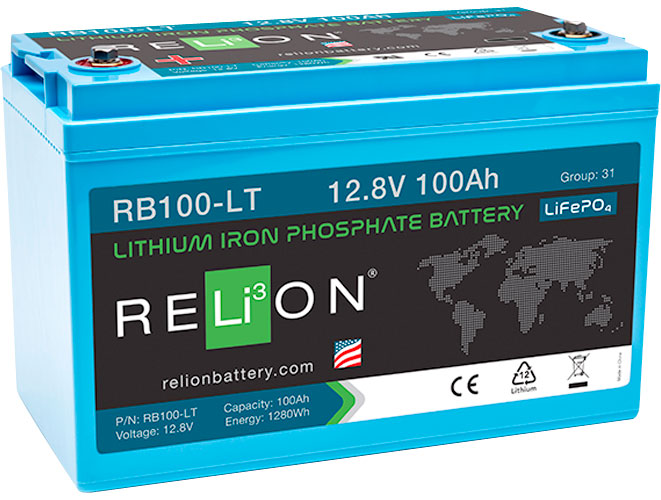
Modern LiFePO4 lithium batteries like the Relion RB100-LT use sealed housings and terminal designs that generally resist corrosion better than traditional lead-acid batteries, on top of their weight and cycle-life advantages — worth factoring in if you’re replacing a battery bank anyway and fish saltwater regularly.
Storage and Off-Season Care
If a boat sits for weeks between saltwater trips, corrosion continues working even when you’re not using the boat — humid marine air alone is enough. Disconnecting batteries, applying a light protective coating to exposed terminals, and keeping electronics covered when not in use meaningfully slows this process during storage periods.
Frequently Asked Questions
Does a “waterproof” rating mean an electronic unit is also corrosion-proof?
No — a waterproof (IPX) rating protects against water intrusion into the housing, but exposed connectors, mounting hardware, and battery terminals outside that sealed housing still need separate corrosion protection.
How often should I check battery terminals for corrosion in saltwater use?
At minimum once a season, but boaters who fish saltwater weekly often check monthly — catching corrosion early, while it’s still a light crust, is far easier than dealing with a badly corroded terminal later.
Is dielectric grease actually necessary, or is it overkill?
For saltwater use, it’s genuinely worth the few minutes it takes — it’s inexpensive, doesn’t harm connections, and meaningfully slows corrosion at exposed terminals and connector housings.
Are freshwater boats at risk of corrosion too?
Much less so, but humidity, condensation, and dissimilar-metal corrosion (galvanic corrosion between different metals in contact) can still occur even in freshwater use — the same basic habits just matter less urgently.
Looking to upgrade your power setup while you’re at it? Browse our batteries & chargers collection, or see our trolling motor buying guide for battery sizing guidance.
Leave a Reply