Fitting the wrong AIS transponder to a commercial vessel can leave you out of compliance with Coast Guard carriage rules, and a poorly installed unit can fail to transmit when it matters, because the antenna, GPS feed or MMSI is wrong. AIS looks simple, a box that broadcasts your position, but the difference between Class A and Class B, and between carriage requirements and what you can legally and sensibly fit, is where owners and operators get caught. This guide explains how Class A, Class B and Class B+ (SOTDMA) transponders differ, what regulators generally require for commercial vessels, and how to install and commission one correctly.
What AIS does and why class matters
The Automatic Identification System (AIS) broadcasts a vessel’s identity, position, course and speed on VHF frequencies, and receives the same from other vessels. It helps avoid collisions, supports Vessel Traffic Services and gives search and rescue accurate positions. Transponders differ in transmit power, reporting rate and network priority, which determines how quickly and how reliably other vessels see you.
Class A vs Class B at a glance
| Feature | Class A | Class B (CSTDMA) | Class B+ (SOTDMA) |
|---|---|---|---|
| Typical use | Commercial and SOLAS vessels | Recreational boats | Recreational and light commercial |
| Transmit power | 12.5 W | 2 W | 5 W |
| Reporting rate underway | Every 2 to 10 seconds | Every 30 seconds | Up to every 5 seconds at speed |
| Priority on the AIS network | Highest | Lowest | Higher than CSTDMA |
| Display and messaging | Full messaging and voyage data | Limited messaging | Limited messaging |
| Typical cost level | Highest | Lowest | Mid |
Class A units have the highest priority and reporting rate and carry voyage-related data such as destination and ETA. Class B units are simpler and lower in priority, and Class B+ (SOTDMA) narrows the gap with higher power and a better chance of transmitting in a busy channel.
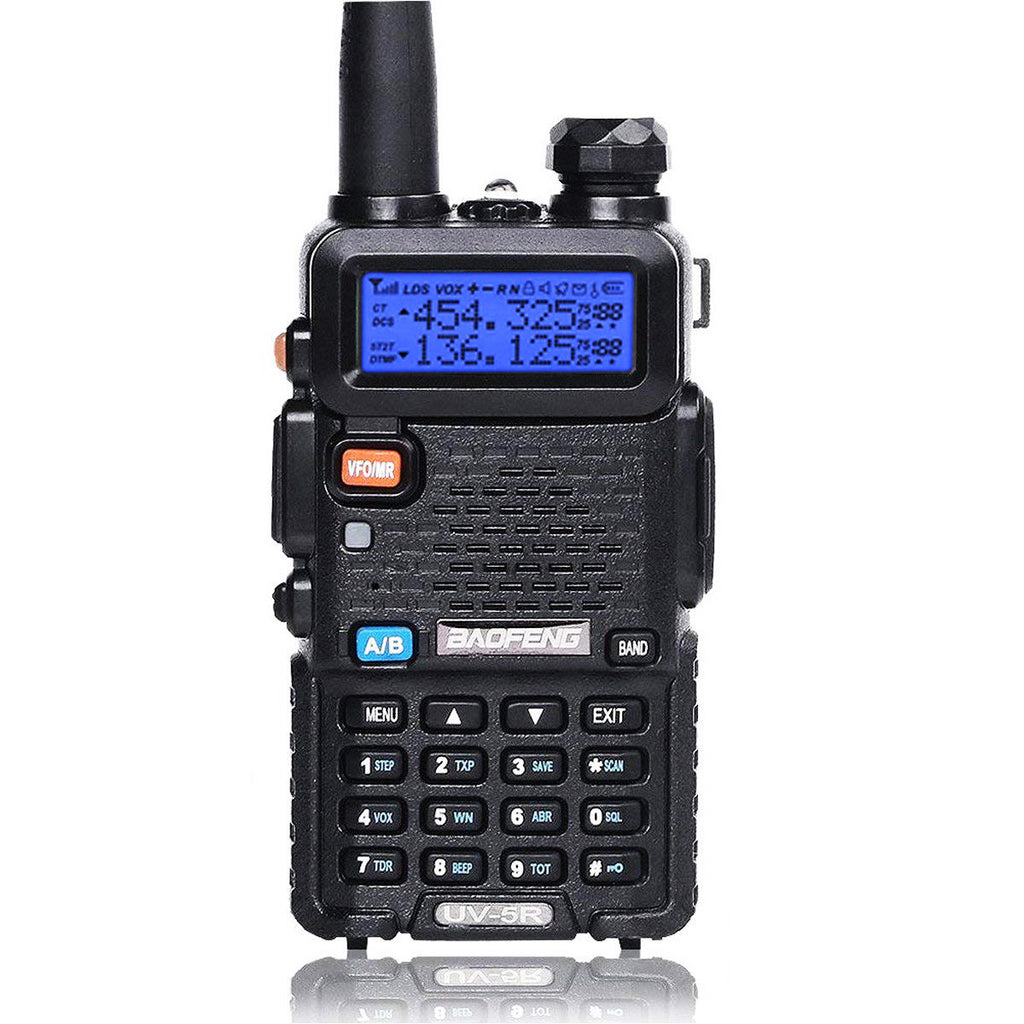
US carriage requirements: what to verify
US AIS carriage requirements are set by the Coast Guard (33 CFR 164.46) and depend on vessel type, length, tonnage, passenger count, towing and operating area. Many self-propelled commercial vessels above certain lengths and many towing and passenger vessels must carry AIS, and some of those must carry Class A. In certain cases, including some fishing industry vessels and smaller commercial vessels, a Class B unit that meets the relevant standard may be accepted. Rules are updated over time, so always confirm the current requirement with the Coast Guard, your marine inspector or the class society before you buy.
| Question to ask | Why it matters |
|---|---|
| Is the vessel required to carry AIS under 33 CFR 164.46? | Determines whether AIS is mandatory |
| If so, is Class A required, or is Class B accepted? | Avoids buying the wrong class |
| Does the unit meet the required type approval (for example, USCG-accepted)? | A non-approved unit may not satisfy the requirement |
| Does the vessel operate in a Vessel Traffic Service area? | Some areas impose additional requirements |
Installer Tip: Keep a copy of the AIS unit certification and your installation record aboard. Inspectors typically ask for evidence that the unit is type-approved and correctly programmed, and a clear record saves time and delays.
MMSI and programming
An AIS transponder transmits your MMSI. Obtain the MMSI through the appropriate authority for your vessel type and region, and program it carefully: most units allow the MMSI to be set once or twice. Enter the vessel name, call sign, dimensions, vessel type and antenna location so that other vessels see accurate information. A wrong dimension or antenna offset makes your displayed position and size misleading to other vessels.
Installation: antenna, GPS and wiring
Antenna options
- Dedicated AIS antenna: the best choice, mounted high and clear, with at least 1 m (3 ft) horizontal separation from the VHF antenna where practical.
- VHF/AIS splitter: shares one antenna between the VHF radio and the AIS transponder using an active splitter; ensure the splitter is rated for the transponder’s power.
GPS source
Class A transponders typically include a built-in GPS but need an external antenna; Class B models often include one too. If the unit uses an external GPS, check the NMEA connection and baud rate. A transponder without a valid position fix cannot be seen by other vessels.
Power and cables
Use a fused, dedicated supply with the fuse size recommended in the manual and keep voltage drop under 3%. For a 2 A load over 6 m, 1.5 mm² cable drops about 0.28 V; use the formula Vdrop = 2 × length (m) × current (A) × 0.0172 ÷ area (mm²). Use low-loss coax between the transponder and antenna, short runs and sealed connectors with drip loops.
| Coax type | Approx. loss per 10 m at VHF | Notes |
|---|---|---|
| RG58 | About 2 dB | Short runs only |
| RG213 / low-loss | About 0.7 dB | Recommended for most installs |
| Premium low-loss | About 0.4 dB | Long runs on larger vessels |
Connecting AIS to a chartplotter
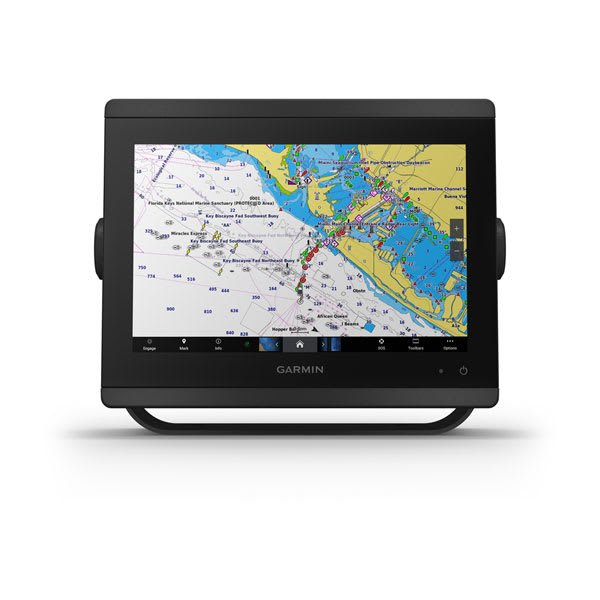
Connect the transponder to your plotter over NMEA 0183 or NMEA 2000 so targets appear on the chart. Verify that both devices agree on baud rate (38,400 for AIS on NMEA 0183) and check your plotter manual for the correct port settings. Our GPSMAP vs HDS PRO guide covers how large MFDs handle network data, and our NMEA 2000 guide explains backbone testing.
Commissioning checklist
- Confirm MMSI and vessel data are correct.
- Check for a GPS fix and correct position.
- Verify the antenna connection and measure VSWR if possible; a reading below about 1.5:1 is good.
- Confirm that your vessel appears on a second AIS receiver or an online tracker once underway.
- Test alarms and display of nearby targets on the plotter.
Common AIS problems and fixes
| Symptom | Likely cause | Fix |
|---|---|---|
| Vessel not visible to others | No GPS fix or wrong MMSI | Check GPS and programming |
| No targets on plotter | Wrong baud rate or wiring | Check NMEA settings and cable |
| Short range | Poor antenna or coax loss | Check antenna height, coax and connectors |
| VHF reception reduced | Splitter or antenna proximity | Check splitter rating and antenna spacing |
Shop marine communication gear and get advice
Browse our VHF radios and marine communication and power and rigging accessories. For help choosing the right class for your vessel and a compliant install, contact our team.
Class A vs Class B: what the standards say
The difference is not only power. Class A transponders are built to IEC 61993-2 and are designed for SOLAS vessels, with a fixed reporting schedule and a wide set of messages. Class B CSTDMA units follow IEC 62287-1, and Class B SOTDMA units follow IEC 62287-2. Because Class A has the highest priority, a Class B unit may be unable to transmit at the exact moment you need it if the channel is congested, and it is designed to defer to Class A traffic.
Maintenance and annual checks
- Inspect the antenna, coax and connectors for corrosion and water ingress.
- Confirm that the programmed data (MMSI, vessel name, dimensions) is still correct, particularly after a refit.
- Check GPS accuracy against the plotter or a handheld unit.
- Test alarms and the display of nearby targets.
- Review the unit’s status page for self-test failures.
- Keep a copy of the commissioning certificate with the vessel’s documents.
| Interval | Check | Reason |
|---|---|---|
| Each trip | Confirm AIS is transmitting and GPS fix is valid | Avoids running dark by accident |
| Every 6 months | Inspect antenna, coax and connectors | Corrosion reduces range |
| Annually | Test VSWR and review programming | Verifies antenna system performance |
| After any refit | Re-enter dimensions and antenna offsets | Position accuracy depends on it |
Using AIS data wisely
AIS shows vessel identity, course and speed, but it is not a replacement for radar or a visual watch: vessels that are not required to carry AIS, small boats and floating hazards will not appear. Use CPA and TCPA alarms to flag close approaches, and sort the target list by closest approach rather than distance. Be careful with the displayed position of large ships, which shows the GPS antenna location rather than the bow.
Frequently asked questions
What is the difference between Class A and Class B AIS?
Class A transmits at 12.5 W with the fastest reporting rate and highest priority and is used on commercial and SOLAS vessels. Class B transmits at lower power (2 W for CSTDMA, 5 W for B+ SOTDMA) and is used mainly on recreational boats.
Does my commercial vessel need Class A AIS?
It depends on vessel type, size, tonnage and operating area under USCG rules in 33 CFR 164.46. Some vessels may use Class B, but you should confirm the requirement with the Coast Guard or your inspector before buying.
Can I share one antenna between VHF and AIS?
Yes, with an active VHF/AIS splitter rated for the transponder, but a dedicated AIS antenna mounted at least 1 meter from the VHF antenna gives better performance.
Why can other vessels not see my AIS?
Common causes are no GPS fix, an incorrect MMSI, antenna or coax problems, or wiring faults. Check GPS, programming and connectors first.
Leave a Reply