Category: Buying Guides

  • Best Brushless Trolling Motors 2026: Minn Kota Ultrex Quest vs. Garmin Force Pro vs. Lowrance Ghost X

    Brushless motors aren’t new to power tools, HVAC compressors, or electric vehicles — but their arrival in bow-mount trolling motors over the past two years is genuinely the most significant performance change the category has seen in decades.

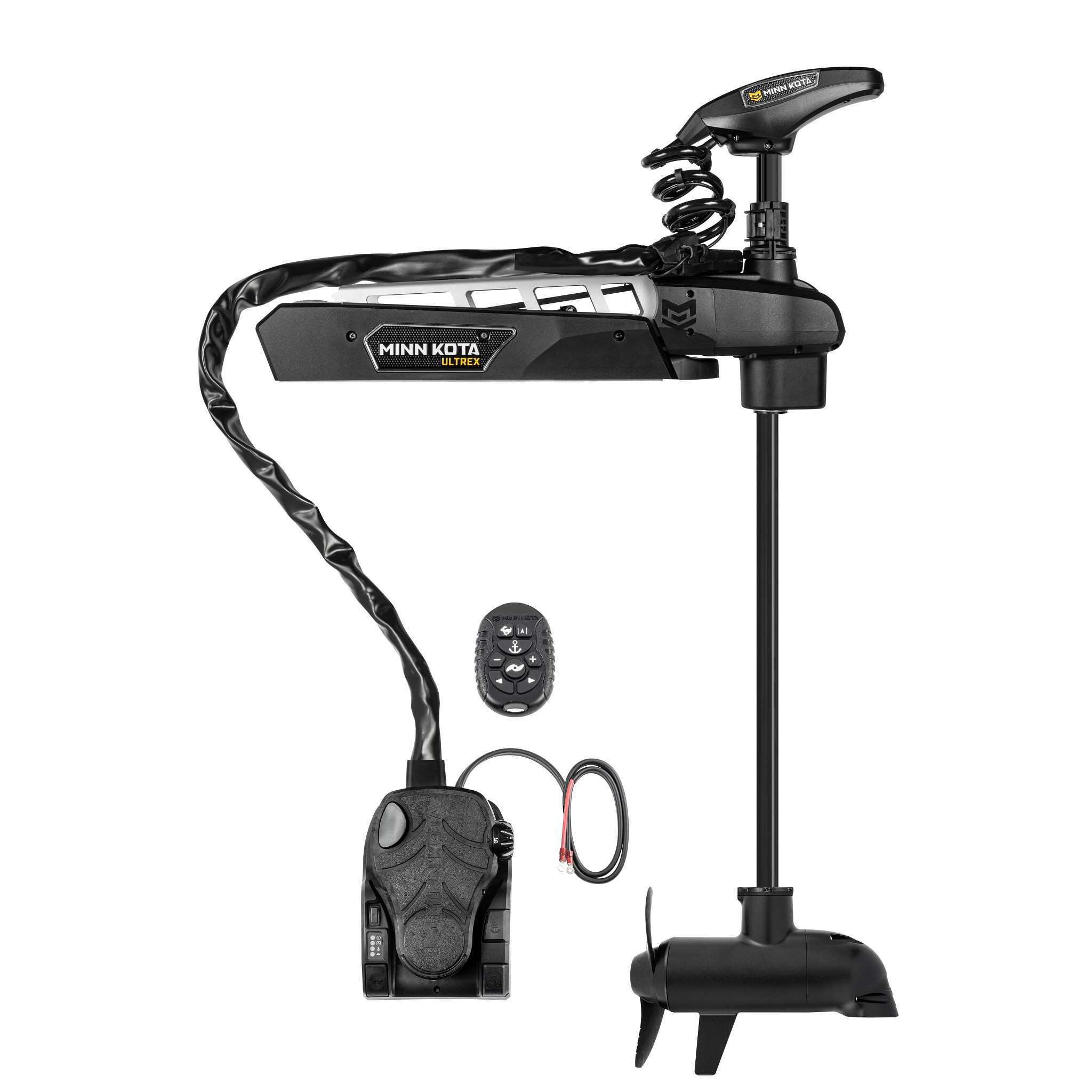
    In 2026, the three top-tier brushless bow-mount systems are the Minn Kota Ultrex Quest MEGA DI/SI, the Garmin Force Pro, and the Lowrance Ghost X. All three eliminate the mechanical brush-and-commutator assembly of the traditional brushed DC motor — the result is higher efficiency at partial throttle, less EMI noise on nearby sonar systems, and longer service life.

    This article compares them across the metrics that matter to competitive tournament anglers: thrust, battery runtime, GPS anchor precision, sonar integration, and display platform compatibility.

    Why Brushless Motors Matter in Trolling Applications

    How Brushed Motors Waste Energy

    In a conventional brushed DC trolling motor, current flows to the armature through physical carbon brushes that press against a rotating commutator ring. This switching creates heat, friction, and electromagnetic interference. The EMI is why you often see sonar noise when the trolling motor runs at mid-throttle. At partial throttle — where you spend most of a tournament day — a brushed motor typically operates at 40–50% efficiency. The rest is heat.

    What Brushless Motors Do Differently

    Brushless DC motors replace mechanical commutation with electronic commutation — a motor controller switches current to the appropriate winding electronically. No brushes, no commutator wear, no brush-generated EMI. At mid-throttle (50–60% of max thrust), brushless motors operate at 80–90% efficiency vs. 40–50% for brushed. This efficiency gap is the source of the 35–40% runtime improvement all three manufacturers cite.

    In sonar terms: brushless EMI is dramatically lower. Anglers running live sonar alongside a brushless trolling motor consistently report cleaner images compared to brushed setups — even without ferrite chokes on the motor cables.

    Minn Kota Ultrex Quest MEGA DI/SI — The Platform Integration Champion

    MEGA DI/SI Integrated Transducer

    The Quest MEGA DI/SI runs a Humminbird MEGA Down Imaging and Side Imaging transducer inside the motor shaft, exiting at the mount as a Universal Sonar 2 (US2) connector. If your display is a HELIX 12 or SOLIX, you have a complete sonar system without any external transducer pole or cable run. The tradeoff: you are locked into Humminbird displays for the integrated sonar.

    Power-Stow Auto Deploy/Stow

    The Ultrex Quest’s Power-Stow bracket deploys and stows the motor via an electric actuator — push a button on the i-Pilot remote or foot pedal. At the no-wake zone: press stow. At the first fishing spot: press deploy. No lifting a 30-lb motor in the dark at 5AM. Neither the Force Pro nor the Ghost X offers this at the same level of reliability.

    24V/36V Dual Voltage in One SKU

    The Quest runs at 24V or 36V from a single hardware SKU configured via the motor’s setup menu — no wiring changes, no hardware swap. Both the Force Pro and Ghost X ship in separate 24V and 36V SKUs. This is Minn Kota’s strongest engineering advantage in the category.

    Runtime

    Approximately 35–40% more runtime at mid-throttle compared to the previous brushed Ultrex on the same battery bank. On a 24V/200Ah LiFePO4 bank, expect 10–12 hours of mixed fishing at mid-throttle.

    Best For: Humminbird HELIX/SOLIX users who want a fully integrated sonar + trolling motor system and value Power-Stow convenience. Shop the Ultrex Quest →

    Garmin Force Pro — The LiveScope Integration Leader

    AnchorLock GPS Integration

    The Force Pro’s AnchorLock connects to Garmin ECHOMAP Ultra 2 and GPSMAP series displays with tight chart integration. AnchorLock positions appear as waypoints on your Garmin chart. You can drop an AnchorLock position by long-pressing on the chart, navigate the motor to a specific waypoint, and view all saved positions overlaid with sonar data. This level of integration is tighter than what Humminbird achieves with i-Pilot Link.

    Integrated LiveScope Mount Arm

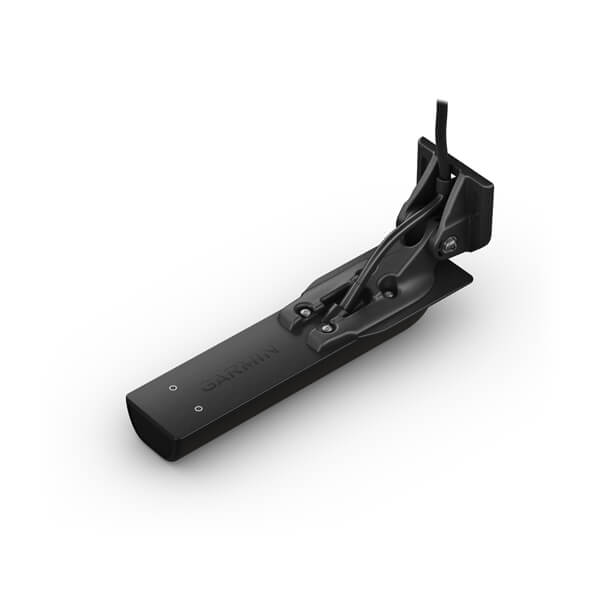
    The Force Pro includes a first-party LiveScope transducer mount arm on the motor head — no aftermarket IPS bracket required. The mount orients the LVS34 correctly for Forward Mode or Down Mode without adjustment. For anglers who have committed to the Garmin ecosystem (ECHOMAP Ultra 2 + LiveScope Plus), the Force Pro is the cleanest complete rig.

    Thrust and Voltage

    Available in 57″, 52″, and 45″ shaft lengths. Maximum thrust: 57 lb at 12V, 80 lb at 24V, or 100 lb at 36V — three separate SKUs. Runtime improvement vs. original Force: approximately 30–35% at mid-throttle.

    Best For: Garmin ecosystem users — ECHOMAP Ultra 2 or GPSMAP + LiveScope Plus. Shop the Force Pro →

    Lowrance Ghost X — The ActiveTarget Integration Leader

    Anchor+ GPS — Precision in Current

    The Ghost X’s Anchor+ connects to the HDS PRO display via NMEA 2000. Tournament anglers who fish current-heavy river systems — ledge fishing on the Mississippi, lock pools on the Tennessee River — report Anchor+ holding precise position in conditions where competitors drift. The brushless motor’s faster response time to GPS correction inputs allows micro-adjustments that a brushed motor controller can’t match.

    ActiveTarget 2 Integrated Mount

    The Ghost X includes a first-party ActiveTarget 2 transducer mount clamp on the motor shaft. The LSS-2T mounts directly with no aftermarket hardware — similar to the Force Pro’s LiveScope mount advantage.

    Thrust

    Same thrust ratings as the Force Pro: 57 lb at 12V, 80 lb at 24V, 100 lb at 36V in separate SKUs. Runtime improvement vs. previous brushed Ghost: approximately 30–35% at mid-throttle.

    Best For: Lowrance HDS PRO users, especially those fishing current and river environments. Shop the Ghost X →

    Head-to-Head Comparison

    Feature Minn Kota Ultrex Quest MEGA DI/SI Garmin Force Pro Lowrance Ghost X
    Max Thrust 112 lb 57/80/100 lb (by voltage SKU) 57/80/100 lb (by voltage SKU)
    Voltage Options 24V or 36V (single SKU) 12V, 24V, or 36V (separate SKUs) 12V, 24V, or 36V (separate SKUs)
    Integrated Sonar MEGA DI/SI (Humminbird US2) None (LiveScope mount arm) None (ActiveTarget 2 clamp)
    Auto Stow/Deploy Yes (Power-Stow) No No
    GPS Anchor i-Pilot Spot-Lock AnchorLock Anchor+
    Display Integration Humminbird HELIX/SOLIX Garmin ECHOMAP/GPSMAP Lowrance HDS PRO/Live
    Runtime vs. Brushed ~35–40% improvement ~30–35% improvement ~30–35% improvement
    Dual-Voltage SKU Yes No No

    Which Brushless Motor Should You Buy?

    Buy the Minn Kota Ultrex Quest MEGA DI/SI if: You run Humminbird HELIX or SOLIX displays, want the integrated MEGA DI/SI transducer to eliminate external sonar cable runs, need Power-Stow auto deploy/stow, or want dual-voltage flexibility and the highest thrust ceiling (112 lb) in the brushless category.

    Buy the Garmin Force Pro if: You run Garmin ECHOMAP Ultra 2 or GPSMAP displays, run LiveScope Plus and want a first-party integrated mount, or value tight AnchorLock chart integration on the ECHOMAP/GPSMAP screen.

    Buy the Lowrance Ghost X if: You run Lowrance HDS PRO displays, run ActiveTarget 2 and want the first-party mount, or fish current-heavy environments where Anchor+’s precision matters most.

    Shop all brushless trolling motors →

  • Best Brushless Trolling Motors of 2026: Minn Kota Ultrex Quest vs. Garmin Force Pro vs. Lowrance Ghost X

    In a brushed DC trolling motor, electrical current passes through carbon brushes that make physical contact with a rotating commutator. Those brushes wear down, generate carbon dust, produce electrical noise (EMI that interferes with your sonar), and operate inefficiently at partial throttle. Brushless motors eliminate the commutator and brushes entirely — no brush wear, near-zero mechanical EMI generation, and dramatically better partial-throttle efficiency.

    At 50% throttle — where most tournament anglers run their motor — a brushless motor draws roughly 50% of rated peak current. A comparable brushed motor at 50% throttle draws approximately 65–70% of peak current due to commutation losses. That difference is real runtime you get back every tournament day.

    Browse all three at Pro Marine Electronics — Trolling Motors.

    Motor Overviews

    Minn Kota Ultrex Quest MEGA DI/SI (Brushless)

    The Ultrex Quest is Minn Kota’s full platform redesign — new brushless motor, updated i-Pilot GPS with new Spot-Lock algorithm, dual voltage (24V/36V field-configurable), Power-Stow auto deploy/stow, and integrated MEGA DI/SI transducer. The dual voltage is a first for any production bow-mount trolling motor — the same physical motor operates at 24V or 36V. Ecosystem: Humminbird HELIX/SOLIX via i-Pilot Link Bluetooth and US2 integrated sonar.

    Garmin Force Pro (Brushless)

    The Force Pro is Garmin’s second-generation bow-mount trolling motor with improved Anchor Lock GPS algorithm, an IPS motor arm mount that positions the LiveScope LVS34 transducer directly on the motor arm, and direct control integration via GMN (Garmin Marine Network) to the connected chartplotter. The only trolling motor designed as a first-party component of the Garmin marine electronics ecosystem. Ecosystem: Garmin ECHOMAP Ultra 2, GPSMAP series via GMN.

    Lowrance Ghost X (Brushless)

    The Ghost X is designed as an integrated system component with HDS PRO displays via NMEA 2000. Its unique design feature: Lowrance engineered the Ghost X motor to produce the lowest measurable acoustic noise of any brushless trolling motor, specifically to reduce interference with ActiveTarget 2 sonar mounted on or near the motor arm. Ecosystem: Lowrance HDS PRO, HDS Live via NMEA 2000.

    Thrust and Voltage Comparison

    Motor Max Thrust Voltage Peak Current
    Ultrex Quest 112 lb 24V or 36V (dual voltage) ~50A @ 24V / ~40A @ 36V
    Garmin Force Pro 100 lb 36V ~45A @ 36V
    Lowrance Ghost X 120 lb 36V ~50A @ 36V

    Battery Efficiency — Real-World Runtime at 40% Throttle

    Motor Average Draw (40% throttle) Runtime per 100Ah Lithium
    Ultrex Quest (24V) ~20A @ 24V ~5.0 hrs
    Ultrex Quest (36V) ~15A @ 36V ~6.7 hrs
    Garmin Force Pro (36V) ~16A @ 36V ~6.25 hrs
    Lowrance Ghost X (36V) ~17A @ 36V ~5.9 hrs

    The Ultrex Quest at 36V is the most efficient configuration in this comparison. LiFePO4 batteries provide ~95% usable capacity vs. AGM’s 50% — running any of these motors on AGM banks cuts effective runtime roughly in half.

    GPS Anchor / Spot-Lock Precision

    Minn Kota Ultrex Quest — i-Pilot Spot-Lock 2.0

    Updated i-Pilot GPS with faster receiver and retuned PID control algorithm. Real-world observed hold radius in 15–18 mph wind: approximately 6–8 ft. Jog function moves the boat in 5-ft increments from Spot-Lock without breaking the lock. The brushless motor’s faster response time means the Quest reacts to GPS correction signals faster than a brushed motor at equivalent thrust.

    Garmin Force Pro — Anchor Lock

    Anchor Lock uses the same GPS position data that feeds the chartplotter — the motor and MFD share GPS data over the Force wireless link rather than using a separate GPS receiver. Observed hold radius in 15–18 mph wind: approximately 5–7 ft — the tightest of the three systems in calm to moderate wind. Anchor Lock positions save to chartplotter waypoints automatically — your Spot-Lock history is your waypoint map.

    Lowrance Ghost X — Anchor Lock

    Ghost X’s Anchor Lock achieves comparable hold accuracy to the Force Pro — approximately 6–8 ft in 15 mph wind. The Ghost X’s acoustic optimization is specifically relevant: because the motor generates the lowest measurable acoustic noise of the three systems, ActiveTarget 2 sonar mounted in close proximity shows fewer interference artifacts when the motor is running at correction thrust than either competing motor.

    Decision Matrix

    You Are… Best Motor Reason
    Humminbird HELIX/SOLIX user Ultrex Quest MEGA DI/SI Tightest ecosystem integration, integrated transducer
    Garmin ECHOMAP/GPSMAP user with LiveScope Force Pro Native GMN integration, LiveScope IPS mount
    Lowrance HDS PRO user with ActiveTarget 2 Ghost X Best acoustic sonar coexistence, highest thrust
    Running 24V now, want 36V option later Ultrex Quest Only dual-voltage motor in this comparison
    Prioritizing GPS anchor in heavy current Force Pro Tightest observed Spot-Lock in calm-to-moderate conditions
    Prioritizing thrust for heavy boat Ghost X Highest peak thrust (120 lb)

    All three trolling motors ship from Pro Marine Electronics — Trolling Motors. Contact us to verify shaft length compatibility with your specific hull before ordering.

  • Best Forward-Facing Live Sonar Setup for Kayaks vs. Bass Boats — 2026 Buying Guide

    The sonar transducer is the same hardware whether it’s on a Skeeter FX21 or a 13 Fishing Axon kayak. The problem is everything around it — the power source, the mounting system, the display size, the cable routing — is completely different. A LiveScope Plus installation on a 21-foot bass boat is a 3-hour job with permanent mounts and a 24V power system. A kayak installation is about finding a way to power a 12V system from a 20Ah lithium battery without adding so much weight and clutter that the kayak becomes unusable.

    → Shop all forward-facing live sonar systems at Pro Marine Electronics

    Kayak Live Sonar — The Constraints You’re Working Within

    Power Budget is the Binding Constraint

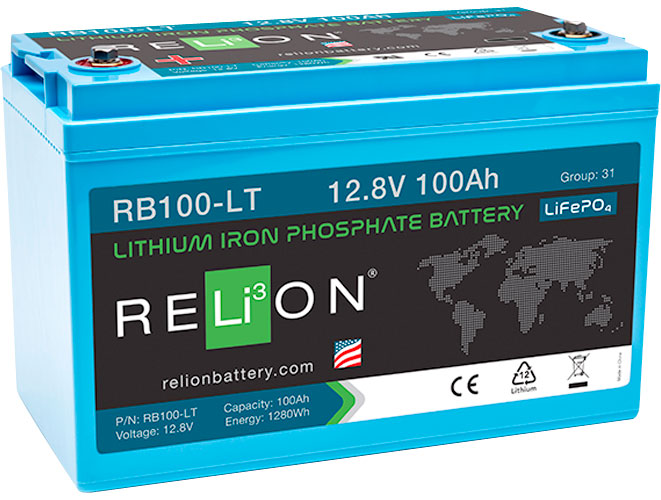
    Kayak electronics run off small lithium packs — typically 10Ah, 20Ah, or 30Ah at 12V. A complete Garmin LiveScope Plus system (LVS34 + GLS10 + compatible chartplotter running) draws approximately 2.3–3.0A total at 12V in normal operation. On a 20Ah lithium pack: 20Ah ÷ 2.8A = ~7.1 hours before the battery drops to 20% reserve. Practical runtime: 5–6 hours — a full fishing day. A 10Ah pack gives you 3–4 hours — marginal for a full day.

    Mounting — The Real Engineering Problem on a Kayak

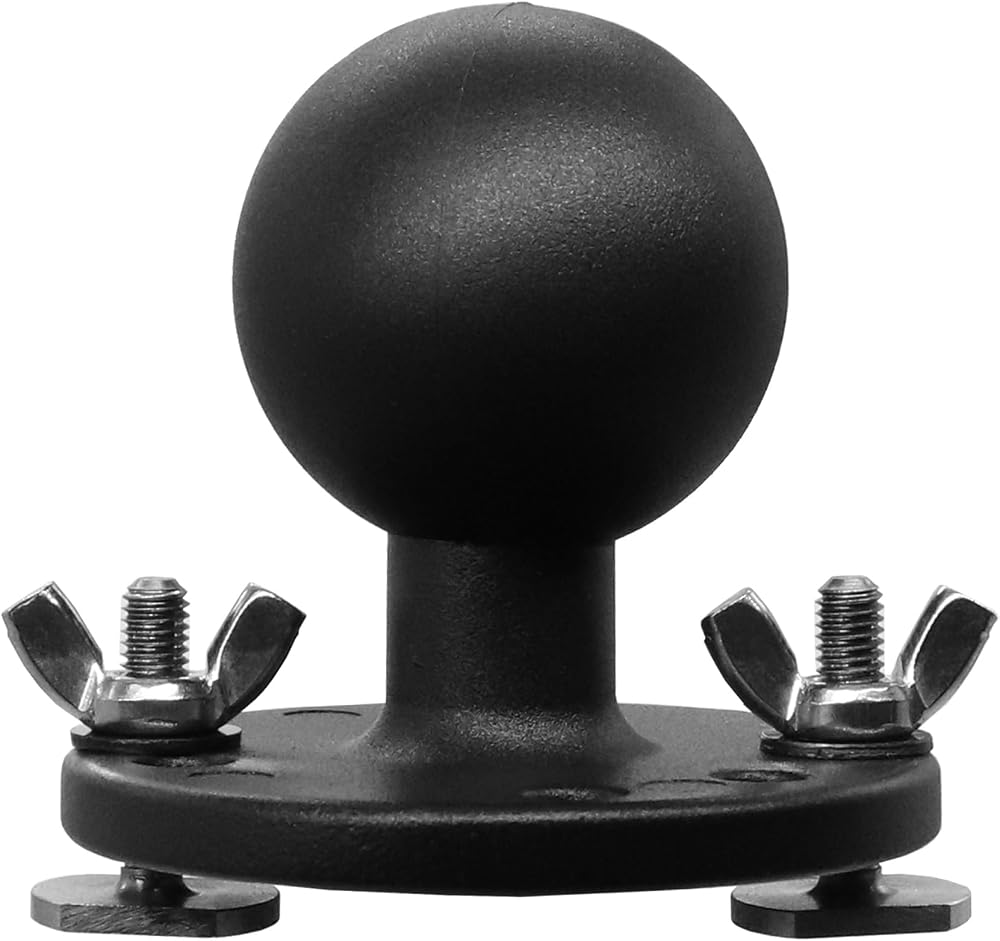
    RAM Tube/Track Mount System: A RAM mount tube (1.5″ diameter) running off a kayak track (YakAttack GearTrac or equivalent). This is the cleanest and most adjustable mounting solution — height is adjustable, folds down for transport, and handles all transducer angle adjustments without tools.

    Scupper Mount: A transducer mount that drops through the kayak’s scupper holes and clamps to the hull. The transducer hangs beneath the hull — the quietest mounting position (no turbulence from paddle strokes).

    Display Size Constraints

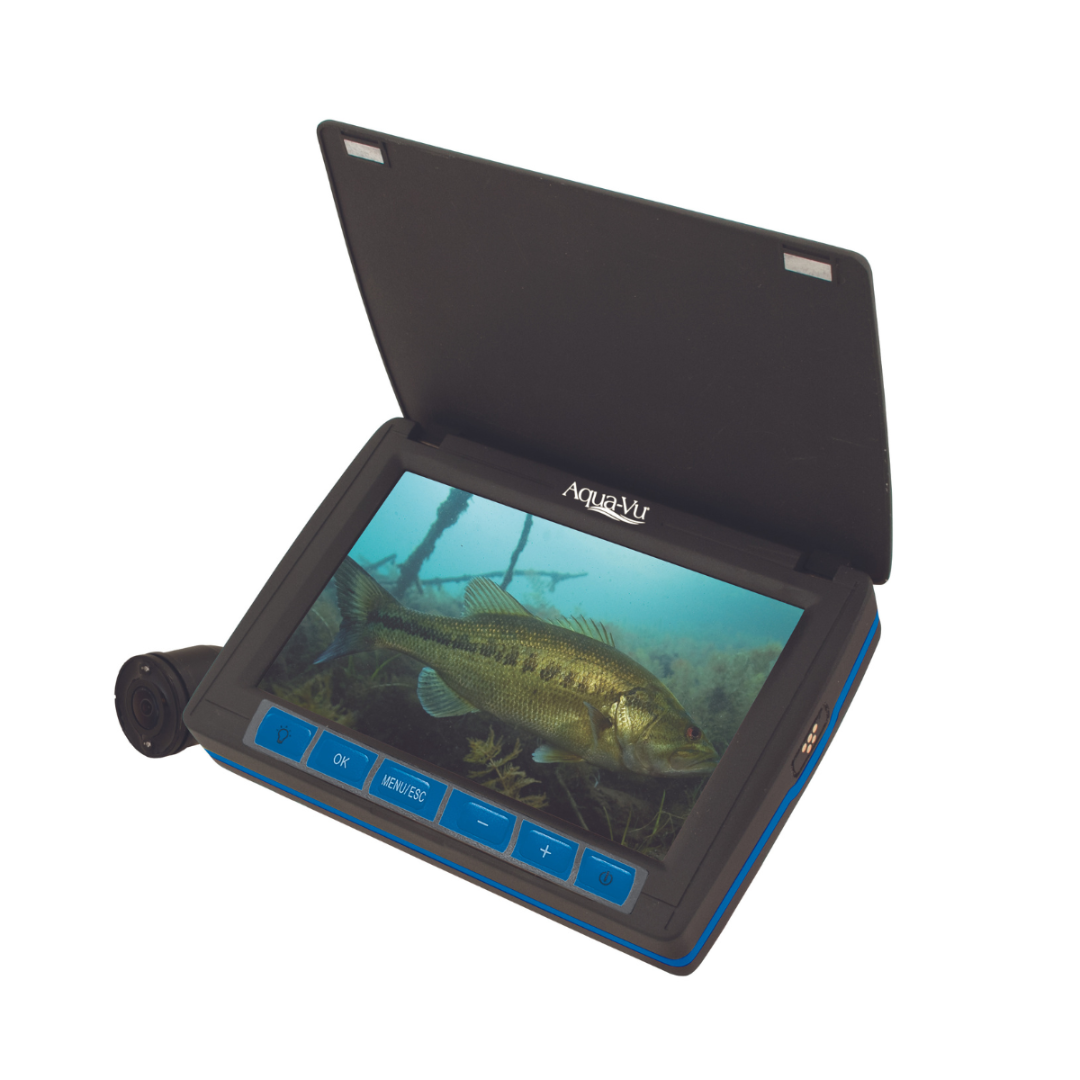
    On a kayak, the practical maximum is a 10–12 inch display — anything larger creates windage in standing-up scenarios. The Garmin ECHOMAP UHD2 93sv (9″) or ECHOMAP Ultra 2 106sv (10″) are the practical upper bounds for kayak deployment.

    Best Kayak Live Sonar Setups — By Budget

    Under $2,000 (Kayak)

    Best Option: Humminbird HELIX 10 CHIRP MEGA SI GPS G3N + MEGA Live Imaging Transducer

    The HELIX 10 is the smallest MEGA-capable display that runs MEGA Live, and bundle pricing frequently brings this combination under $2,000. Power draw: ~2.2A at 12V running MEGA Live — manageable on a 20Ah lithium pack for a full day.

    Alternate Option: Lowrance HDS Live 9 + ActiveTarget 2 — HDS Live 9 is lighter and physically smaller than the HELIX 10. ActiveTarget 2’s shallow water performance makes it ideal for kayak fisheries — most kayak-accessible water is under 15 ft. Check current pricing at Pro Marine Electronics.

    Premium Kayak Setup ($2,500–$3,500)

    Best Option: Garmin ECHOMAP Ultra 2 106sv + LiveScope Plus LVS34

    The ECHOMAP Ultra 2 106sv is a 10″ display running the full Ultra 2 platform. On a kayak, you get the same live sonar image quality as a tournament bass boat installation. LiveScope Perspective Mode on a kayak opens up structure fishing capabilities before positioning the boat. The GLS10 black box is small enough to mount in a storage well at 5.2″ × 3.1″ × 1.4″.

    Bass Boat Live Sonar Setups — By Budget

    Under $2,000 (Bass Boat — Display Already Owned)

    If you already own a compatible chartplotter, your all-in cost drops dramatically. Transducer + module cost only: Garmin LiveScope Plus LVS34 standalone ~$1,799 | Lowrance ActiveTarget 2 standalone ~$1,699 | Humminbird MEGA Live standalone ~$1,499. If you own compatible hardware, MEGA Live gets you into live sonar at the lowest cost.

    Premium Bass Boat Setup — Full Dual-Display Rig ($4,000–$8,000+)

    The tournament-standard bass boat setup in 2026:

    The two ECHOMAP Ultra 2 units share sonar data and waypoints over Garmin Marine Network. Complete electronics package: $6,500–$9,000 depending on radar and motor integration.

    Rigging Checklist — Kayak vs. Bass Boat

    Consideration Kayak Bass Boat
    Display Size 9–10 inches 10–16 inches
    Mounting System RAM arm off track system Flush or bail mount to console
    Power Source 12V lithium, 20–30Ah 12V accessory battery (dedicated circuit)
    Transducer Mount Scupper or RAM tube/pole mount Pole mount at bow
    Max Practical Display 10″ (wind/handling limits) 16″ or larger

    Recommended Buys — Quick Reference

    • Kayak Under $2,000: Humminbird HELIX 10 CHIRP MEGA SI GPS G3N + MEGA Live
    • Kayak Premium: Garmin ECHOMAP Ultra 2 106sv + LiveScope Plus LVS34
    • Bass Boat Live Sonar Add-On (own compatible display): Garmin LiveScope Plus LVS34 or Lowrance ActiveTarget 2
    • Full Bass Boat Build: Garmin ECHOMAP Ultra 2 166sv (console) + ECHOMAP Ultra 2 106sv + LVS34 (bow)

    Browse all configurations at Pro Marine Electronics — Forward-Facing Live Sonar.

  • Garmin LiveScope Plus LVS34 vs. Lowrance ActiveTarget 2 vs. Humminbird MEGA Live: Which Forward-Facing Sonar System Wins in 2026?

    Three years ago, forward-facing sonar was a Garmin exclusive and LiveScope was a $3,000 novelty item on elite tournament boats. Today, three major manufacturers have mature, competitive forward sonar platforms — and the gap between them has narrowed substantially.

    This comparison focuses entirely on helping you make the right call for your specific setup, budget, and fishery. If you’ve already decided on live sonar and just need to buy, jump to the full live sonar collection at Pro Marine Electronics.

    The Three Contenders — System Overview

    Garmin LiveScope Plus (LVS34 / GLS10)

    Garmin’s second-generation live sonar system. The LVS34 transducer replaced the original LVS32 in 2022 with meaningful improvements in shallow-water clarity and stained-water performance. Three modes: Forward, Down, and Perspective (exclusive to Plus). MSRP: ~$1,799–$2,099. Ecosystem: Garmin-only displays.

    Lowrance ActiveTarget 2

    Lowrance’s second-generation live sonar with redesigned LSS-2T transducer that produces noticeably sharper target separation. Scout mode (shallow) and Live mode (deeper water) plus dual-transducer support on HDS PRO. MSRP: ~$1,699–$1,999. Ecosystem: Lowrance HDS PRO / HDS Live only.

    Humminbird MEGA Live Imaging

    Built into MEGA frequency-capable HELIX and SOLIX units at 1.2 MHz. Offers Forward, Down, and 360° (with MEGA 360 — sold separately). The 360 integration is MEGA Live’s most unique capability. MSRP: ~$1,499–$1,999. Ecosystem: Humminbird HELIX/SOLIX MEGA displays.

    Head-to-Head Specification Comparison

    Spec LiveScope Plus (LVS34) ActiveTarget 2 (LSS-2T) MEGA Live
    Frequency ~1.05 MHz ~1.08 MHz 1.2 MHz
    Max Forward Range 200 ft 200 ft 175 ft
    Frame Rate Up to 30 fps Up to 30 fps Up to 30 fps
    Dual Transducer Support No Yes (HDS PRO) Limited
    Unique Mode Perspective Scout + Live modes MEGA 360 integration
    Price ~$1,799 ~$1,699 ~$1,499

    Image Quality and Real-World Performance

    LiveScope Plus — The Reference Standard

    LiveScope Plus remains the benchmark image: Garmin’s processing algorithm is more mature than competitors, having gone through two full hardware generations and dozens of firmware iterations. The live image is smoother with better fish/structure discrimination at 50–100 ft. Perspective Mode is genuinely useful for dock fields, bridge pilings, and riprap banks.

    ActiveTarget 2 — Best Shallow/Stained Performance

    ActiveTarget 2’s Scout mode produces the clearest shallow-water image of the three systems in the 3–15 ft range. If your fisheries are tannic southeastern reservoirs (Santee, Seminole, Okeechobee), ActiveTarget 2 wins outright. The dual-transducer capability on HDS PRO lets you run Scout forward and Down simultaneously — no other platform offers this.

    MEGA Live — Best Ecosystem Integration

    MEGA Live’s differentiator is MEGA 360 integration. A MEGA 360 Imaging transducer adds a real-time 360° rotating sonar view alongside your forward view — no competitor offers this. The Humminbird/Minn Kota i-Pilot Link ecosystem integration is also the tightest hardware pairing of the three systems.

    Decision Matrix

    If you are… Buy…
    Already a Garmin chartplotter user LiveScope Plus LVS34
    Fishing stained/shallow water primarily ActiveTarget 2
    Running a Humminbird/Minn Kota integrated setup MEGA Live
    Wanting two sonar perspectives simultaneously ActiveTarget 2 (HDS PRO dual-transducer)
    Wanting 360° live sonar capability MEGA Live + MEGA 360
    Starting a new build from scratch LiveScope Plus + ECHOMAP Ultra 2

    Final Verdict

    LiveScope Plus leads at medium to long range. ActiveTarget 2 wins shallow/stained water and is the only system with dual-transducer live view. MEGA Live wins on ecosystem integration — specifically i-Pilot Link pairing and the unique MEGA 360 option.

    Browse all three systems at Pro Marine Electronics — Forward-Facing Live Sonar.