Tag: fish finder USA

  • Raymarine Axiom+ 12 RV Display Review: Specs, Price and Where to Buy

    Raymarine Axiom+ 12 RV Display Review: Specs, Price and Where to Buy

    Considering the Raymarine Axiom+ 12 RV Display? This Raymarine Axiom+ 12 RV Display review covers the key features, who it suits and how to buy it from Pro Marine Electronics, currently priced at $2,599.99.

    What is the Raymarine Axiom+ 12 RV Display?

    Raymarine Axiom+ 12 RV chartplotter with built-in RealVision 3D sonar, supplied as the display only, so you add your own RV-100 transducer and charts. It is sold by Pro Marine Electronics as a genuine product with manufacturer warranty.

    Raymarine Axiom+ 12 RV Display specs and key features

    • 12-inch IPS multi-touch display, WXGA 1280 x 800, 1,800 nits brightness, 18.96 W power consumption
    • Built-in 600 W digital sonar (50 kHz and 200 kHz) with RealVision 3D, depth range 0.6 m to 91 m (2 ft to 300 ft)
    • Quad-core processor, LightHouse OS, 16 GB solid-state storage plus a microSDXC slot
    • Internal 10 Hz GPS with WAAS/EGNOS support, Wi-Fi 802.11 b/g/n, Bluetooth 4.0 and RayNet Ethernet
    • 8 to 16 V DC (12 V nominal), waterproof to IPX6 and IPX7

    Always confirm the exact specification on the Raymarine Axiom+ 12 RV Display product page before you order.

    Who is the Raymarine Axiom+ 12 RV Display for?

    Anglers and boaters who want clearer sonar imagery and dependable navigation will get the most from a unit like this.

    Before you buy, run through this short checklist:

    • Check the screen size against the space at your helm
    • Confirm which transducer you need and whether it is included
    • Choose the charts for the waters you actually fish or cruise

    Raymarine Axiom+ 12 RV Display price and delivery

    The Raymarine Axiom+ 12 RV Display is priced at $2,599.99 at Pro Marine Electronics. Orders placed before 2PM EST ship the same day, and shipping is free on orders over $1,300. We ship worldwide.

    Buy the Raymarine Axiom+ 12 RV Display now.

    Similar Fish Finders & Chartplotters products to consider

    Frequently asked questions

    How much does the Raymarine Axiom+ 12 RV Display cost?

    It is currently $2,599.99 at Pro Marine Electronics.

    Do you ship the Raymarine Axiom+ 12 RV Display quickly?

    Orders placed before 2PM EST ship the same day, and shipping is free on orders over $1,300. We ship worldwide.

    Is it a genuine product?

    Yes. Pro Marine Electronics supplies genuine products with manufacturer warranty. If you have a compatibility question, contact us before you order.
  • Buy Garmin ECHOMAP Ultra 2 166sv: In Stock, Best Price

    Buy Garmin ECHOMAP Ultra 2 166sv: In Stock, Best Price

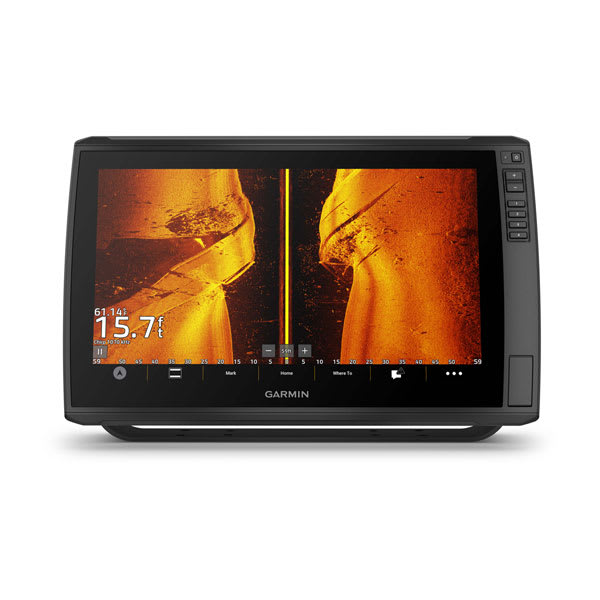
    Garmin’s 16-inch flagship chartplotter-sonar. GT56UHD-TM transducer delivers CHIRP, ClearVü, and SideVü. LiveScope Plus-ready. Includes Navionics+ subscription. 10–32V DC, 1400-nit SolarMAX HD display. Tournament-proven helm unit.

    [BUY NOW: Check Garmin ECHOMAP Ultra 2 166sv Stock & Direct Pricing]

    Garmin ECHOMAP Ultra 2 166sv with GT56UHD-TM Transducer + Navionics+ Bundle – $4,699.99 – in stock

    Check Availability & Order Direct →

    Garmin ECHOMAP Ultra 2 166sv chartplotter and fish finder
    Garmin ECHOMAP Ultra 2 166sv with GT56UHD-TM Transducer + Navionics+ Bundle

    Garmin ECHOMAP Ultra 2 166sv: Key Features & Specifications

    • Garmin ECHOMAP Ultra 2 166sv display
    • GT56UHD-TM transom-mount transducer (20 ft cable)
    • Flush-mount and bail-mount hardware
    • Power/data cable with 2A fuse
    • Navionics+ 1-year subscription (activation card)
    • Quick-start guide
    • Transducer placement: The GT56UHD-TM performs best at 0–3° tilt. If mounted to a non-flat transom, use the included wedge kit to keep it parallel to the waterline.
    • Map card: Navionics+ activates automatically when the included card is inserted. Do not remove the card while the unit is on — hot-swap can corrupt the map index.

    Price: $4,699.99  |  Availability: in stock. Confirm compatibility with your boat and existing equipment before you order.

    Why Choose the Garmin ECHOMAP Ultra 2 166sv?

    A chartplotter with built-in sonar replaces separate navigation and fish-finding units, so you work from one screen with one mount and one power feed. The Garmin ECHOMAP Ultra 2 166sv is built for anglers and cruisers who want clear charts and a clear picture of what is below the boat.

    Use the specifications above as your starting point, then match screen size, sonar type and chart coverage to the way you fish or cruise. For more help deciding, read our chartplotter comparison, best fish finders by budget, guide to reading a fish finder screen.

    How It Compares

    Product Price Details
    Garmin ECHOMAP Ultra 2 166sv $4,699.99 View this product
    Garmin GPSMAP 8616 GN+ 16-Inch Display Unit $2,899.99 View product
    Lowrance HDS PRO 16 $2,599.99 View product
    Humminbird XPLORE 12 CMSI+ Fish Finder $2,599.99 View product

    If budget is the priority, Lowrance HDS PRO 16 starts at $2,599.99. The Garmin ECHOMAP Ultra 2 166sv is the step up when you want the features listed above.

    Who Should Buy the Garmin ECHOMAP Ultra 2 166sv?

    Anglers who want sonar and charts on one screen, cruisers who want clear navigation in unfamiliar water, and boaters upgrading an older display will get the most from it. If you mostly need basic depth readings on a small boat, a simpler and cheaper unit may be enough, so weigh the features above against how you actually use your boat.

    Before You Buy: Quick Checklist

    • Check the mounting space and viewing angle at your helm.
    • Confirm which transducer you will use and that it is compatible.
    • List any network or NMEA devices you want to connect.
    • Plan power and cable runs before you start drilling.

    Buyer FAQs

    Will the Garmin ECHOMAP Ultra 2 166sv work with my setup?

    Compatibility depends on your existing transducer, network devices and chart requirements. If you are unsure, contact us with your boat and equipment details and we will confirm before you order.

    How fast can I get it?

    Orders placed before 2PM EST ship the same day, and we ship worldwide. Free shipping applies on orders over $1,300. Delivery times depend on your location and the service chosen at checkout.

    Is it worth $4,699.99?

    If you use your boat regularly, one unit that combines navigation and sonar saves mounting space and wiring, and clearer information on the water saves time. Compare the options in the table above and choose the model whose features you will actually use.

    Order Your Garmin ECHOMAP Ultra 2 166sv Today

    It is in stock at $4,699.99. Order Direct Today, or browse more in our full range. Products carry the manufacturer’s warranty. Ask us about coverage before you order.

  • Buy Humminbird HELIX 10 CHIRP MEGA: In Stock, Best Price

    Buy Humminbird HELIX 10 CHIRP MEGA: In Stock, Best Price

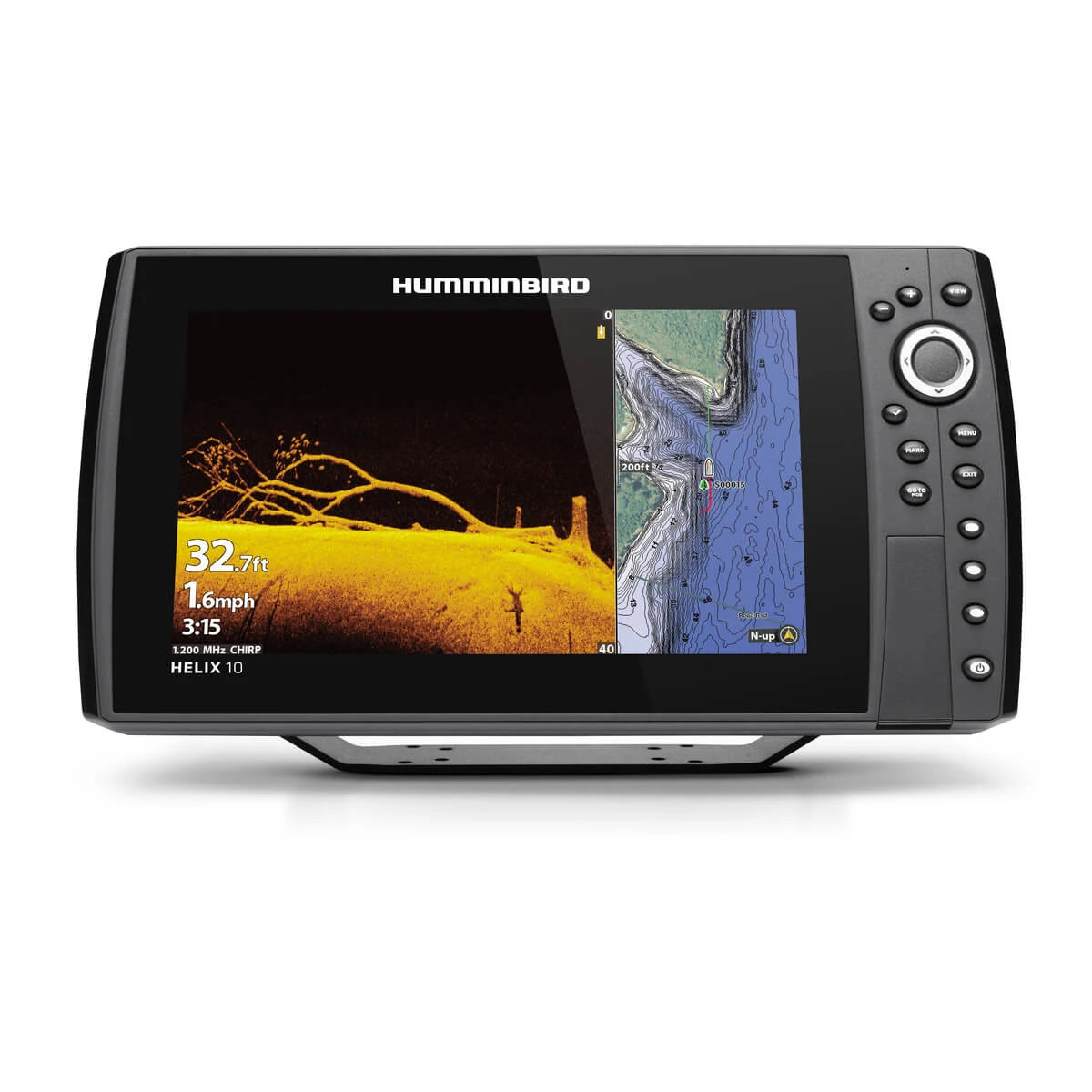
    Display Unit — Only 1 Left! Fully functional Humminbird HELIX 10 CHIRP MEGA SI+ GPS G4N in store-display condition at a reduced price.

    [BUY NOW: Check Humminbird HELIX 10 CHIRP MEGA Stock & Direct Pricing]

    Humminbird HELIX 10 CHIRP MEGA SI+ GPS G4N — Display Unit – $1,099.00

    Check Availability & Order Direct →

    Humminbird HELIX 10 CHIRP MEGA chartplotter and fish finder
    Humminbird HELIX 10 CHIRP MEGA SI+ GPS G4N — Display Unit

    Humminbird HELIX 10 CHIRP MEGA: Key Features & Specifications

    • 10.1″ 800H x 480V display
    • MEGA Side Imaging+ & MEGA Down Imaging+
    • Dual Spectrum CHIRP Sonar
    • Built-in GPS & Chartplotter
    • Ethernet networking compatible
    • AutoChart Live ready
    • 3-Year Warranty (Humminbird authorized dealer)

    Price: $1,099.00  |  Availability: check product page. Confirm compatibility with your boat and existing equipment before you order.

    Why Choose the Humminbird HELIX 10 CHIRP MEGA?

    A chartplotter with built-in sonar replaces separate navigation and fish-finding units, so you work from one screen with one mount and one power feed. The Humminbird HELIX 10 CHIRP MEGA is built for anglers and cruisers who want clear charts and a clear picture of what is below the boat.

    Use the specifications above as your starting point, then match screen size, sonar type and chart coverage to the way you fish or cruise. For more help deciding, read our chartplotter comparison, best fish finders by budget, guide to reading a fish finder screen.

    How It Compares

    Product Price Details
    Humminbird HELIX 10 CHIRP MEGA $1,099.00 View this product
    Raymarine Axiom+ 9 RV $1,199.99 View product
    Raymarine Axiom+ 9 Multifunction Display $1,319.99 View product
    Humminbird XPLORE 9 CMSI+ Fish Finder $1,399.99 View product

    If budget is the priority, Raymarine Axiom+ 9 RV starts at $1,199.99. The Humminbird HELIX 10 CHIRP MEGA is the lower-priced option in this comparison.

    Who Should Buy the Humminbird HELIX 10 CHIRP MEGA?

    Anglers who want sonar and charts on one screen, cruisers who want clear navigation in unfamiliar water, and boaters upgrading an older display will get the most from it. If you mostly need basic depth readings on a small boat, a simpler and cheaper unit may be enough, so weigh the features above against how you actually use your boat.

    Before You Buy: Quick Checklist

    • Check the mounting space and viewing angle at your helm.
    • Confirm which transducer you will use and that it is compatible.
    • List any network or NMEA devices you want to connect.
    • Plan power and cable runs before you start drilling.

    Buyer FAQs

    Will the Humminbird HELIX 10 CHIRP MEGA work with my setup?

    Compatibility depends on your existing transducer, network devices and chart requirements. If you are unsure, contact us with your boat and equipment details and we will confirm before you order.

    How fast can I get it?

    Orders placed before 2PM EST ship the same day, and we ship worldwide. Free shipping applies on orders over $1,300. Delivery times depend on your location and the service chosen at checkout.

    Is it worth $1,099.00?

    If you use your boat regularly, one unit that combines navigation and sonar saves mounting space and wiring, and clearer information on the water saves time. Compare the options in the table above and choose the model whose features you will actually use.

    Order Your Humminbird HELIX 10 CHIRP MEGA Today

    Check the product page for stock at $1,099.00. Order Direct Today, or browse more in our full range. Products carry the manufacturer’s warranty. Ask us about coverage before you order.

  • Best Transducers to Upgrade Your Fish Finder

    Best Transducers to Upgrade Your Fish Finder

    Upgrading a transducer is often the single best value upgrade you can make to an existing fish finder — you keep the display you already know and get meaningfully better data. Here’s where to start depending on your budget and goals.

    Garmin GT56UHD-TM — Best All-Round Upgrade

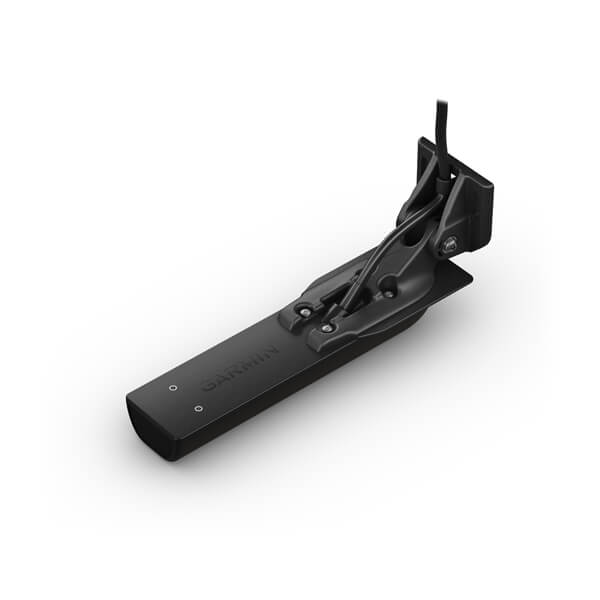
    The Garmin GT56UHD-TM ($349.99) covers CHIRP, ClearVu, and SideVu in one transducer, making it the most complete general-purpose upgrade for anglers who don’t already have structure-scanning sonar.

    Garmin LiveScope 2 HD — Best for Real-Time Live Sonar

    For anglers who want to see fish and structure move in real time rather than scroll past on history, the Garmin LiveScope 2 HD ($2,199.99) is the current benchmark, though it’s a significant step up in price over standard CHIRP/ClearVu transducers.

    Garmin LiveScope Plus System — Best Bundled Live Sonar Kit

    If you want live sonar without piecing together components separately, the Garmin LiveScope Plus System ($1,299.99) bundles the transducer and processing black box together as a complete kit.

    Garmin GT56UHD-TM transducer upgrade
    A single CHIRP/ClearVu/SideVu transducer upgrade often delivers the biggest jump in image quality for the price.

    Checking Compatibility Before You Buy

    Not every transducer works with every display — connector type, supported scanning modes, and mounting style all need to match your existing chartplotter or fish finder. It’s worth checking your display’s specific compatibility list before ordering.

    Frequently Asked Questions

    Will any transducer work with my existing fish finder?
    No — always check your display’s compatible transducer list, as connector type and supported scanning modes vary between brands and models.

    Is a transducer upgrade worth it over buying a whole new fish finder?
    Often, yes — if your display already supports advanced scanning modes, a transducer upgrade can unlock significantly better data at a fraction of the cost of a new unit.

    What’s the easiest transducer upgrade for a beginner?
    A combined CHIRP/ClearVu/SideVu unit like the GT56UHD-TM is a straightforward, well-rounded upgrade that doesn’t require learning an entirely new sonar mode.

    Do I need professional installation for a new transducer?
    Many anglers install transom or trolling-motor mounted transducers themselves, though through-hull installations are usually best left to a professional.

    New to how these technologies actually work? Read understanding transducers: CHIRP, ClearVu, SideVu, and LiveScope explained, or browse the full fish finders and chartplotters category.

  • How to Read a Fish Finder Screen Like a Pro

    How to Read a Fish Finder Screen Like a Pro

    Buying a good fish finder is only half the battle — the other half is actually knowing what you’re looking at once it’s mounted and running. Here’s how to make sense of the screen instead of just staring at colorful noise.

    Arches, Blobs, and Dots: Reading Fish Targets

    On traditional 2D sonar, a fish swimming through the transducer’s cone shows up as an arch — the fish enters the edge of the cone (further away, weaker signal), passes under the center (closest, strongest signal), then exits the other edge. A full, symmetrical arch usually means a fish swam directly under the boat; a half-arch means it clipped the edge of the cone. On down imaging and side imaging, fish usually appear as bright dots, dashes, or small fish-shaped marks rather than arches, since those modes render a photo-like image instead of a traditional sonar return.

    Reading the Bottom

    The bottom shows up as a thick, continuous line across the screen. A hard bottom (rock, sand) returns a strong, sharp, often doubled line (the “second echo” as the pulse bounces bottom-surface-bottom again). A soft bottom (mud, silt) returns a thinner, fuzzier line since the sound energy absorbs into it rather than bouncing back cleanly. Learning to read bottom hardness matters for both fishing (many species prefer specific bottom types) and simply understanding what your anchor will grab.

    Understanding Side Imaging Layout

    Side imaging splits the screen into left and right halves, with the boat’s track running down the center. Distance from center represents actual distance from the boat — features closer to the centerline are closer to your hull. Brighter returns mean harder, denser objects (rock, wood, metal); darker areas are softer bottom or open water. Shadows behind objects (just like a shadow cast by sunlight) tell you the object has real height — a stump or rock pile casts a visible shadow, while a flat depth change doesn’t.

    Color Palettes: Does It Matter Which One You Use?

    Most fish finders offer several color palettes (blue, white, amber, etc.) purely for screen visibility in different lighting — amber and high-contrast palettes are often easier to read in direct sunlight, while blue palettes feel more natural in low light. The palette doesn’t change what the sonar is detecting, only how it’s displayed, so pick whatever’s easiest for your eyes on the water.

    Split Screens: What’s Worth Running at Once

    Most anglers settle into one of two layouts: sonar + chartplotter side by side (so you always know your location while watching sonar), or down imaging + side imaging together (for actively searching structure). Running three or four panels at once on anything smaller than a 9″ screen usually makes everything too small to read quickly — better to cycle between two clean views than cram in extra data you’ll ignore anyway.

    Frequently Asked Questions

    Why do I see fish arches sometimes but only dots other times?
    This is usually a difference between 2D sonar view (arches) and down/side imaging view (dots and marks) — they’re different rendering modes of the same underlying sonar data, not a malfunction.

    Why does the bottom depth jump around or disappear at speed?
    At higher boat speeds, especially in choppy water, the transducer can lose a clean read on the bottom. This is normal and usually resolves once you slow down; if it happens constantly at low speed, check your transducer mounting angle and depth.

    Should I adjust sensitivity manually or leave it on auto?
    Auto mode works well for most conditions on modern units. Manual sensitivity is worth learning if you fish very deep water (turn it up) or very shallow, clear water with excess surface clutter (turn it down).

    How long does it actually take to get comfortable reading a fish finder?
    Most anglers get a working intuition within a handful of outings once they stop trying to read every detail and instead learn to recognize the handful of patterns above — arches, hard vs. soft bottom, and shadows on side imaging.

    New to fish finders entirely? Start with our how fish finders actually work guide, or browse the best fish finders by budget if you’re still shopping.

  • Garmin vs. Lowrance vs. Humminbird: Which Fish Finder Brand Is Right for You?

    Garmin vs. Lowrance vs. Humminbird: Which Fish Finder Brand Is Right for You?

    Garmin, Lowrance, and Humminbird dominate the fish finder market for good reason — all three make genuinely excellent electronics. But they have real differences in ecosystem, imaging technology, and mapping that matter more than most spec sheets let on. Here’s how they actually compare.

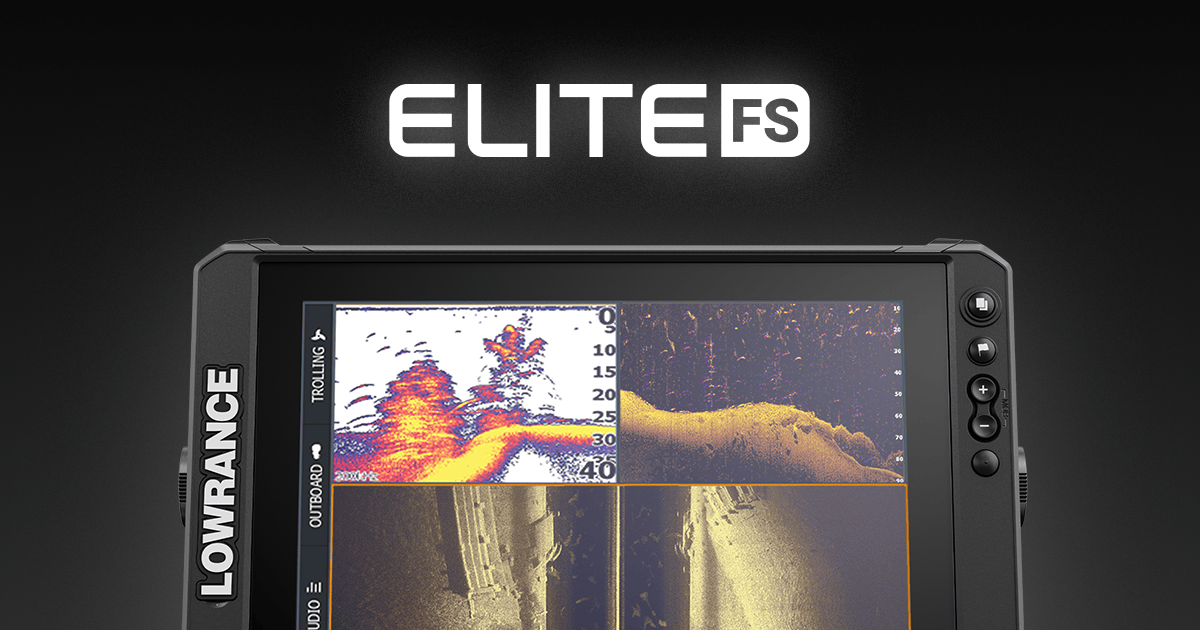
    Lowrance Elite FS fish finder display showing sonar and mapping

    Garmin: Best Ecosystem Integration

    Garmin’s biggest advantage is how well its electronics talk to each other and to the rest of your boat — autopilots, trolling motors (Garmin owns Force and Ulterra), and handheld GPS units all share the same Garmin ActiveCaptain app and account. Quickdraw Contours lets you build your own bathymetric maps in real time, which is a genuine advantage on small or poorly-charted lakes. Panoptix LiveScope, Garmin’s forward-facing live sonar, is widely considered the sharpest image quality in the category. Start with the Garmin ECHOMAP UHD2 73cv if you want to see what the ecosystem feels like without a flagship price tag.

    Lowrance: Best for Serious & Tournament Anglers

    Lowrance’s HDS PRO and Elite FS lines lean hard into speed and screen brightness — both matter more than people expect once you’re actually on the water in direct sun trying to read a screen at 40mph. ActiveTarget, their live sonar system, is a favorite among tournament bass anglers specifically for its wide field of view. Lowrance also has arguably the deepest built-in mapping options through C-MAP. The Lowrance Elite FS 9 is a strong mid-range entry into the brand.

    Humminbird: Best Imaging Detail

    Humminbird’s MEGA Imaging (MEGA Down Imaging and MEGA Side Imaging) is widely regarded as producing the clearest, most photo-realistic structure and fish detail of the three brands, especially at mid-range price points. AutoChart Live builds detailed depth maps as you fish, similar in spirit to Garmin’s Quickdraw. If side imaging clarity is your top priority, the Humminbird HELIX 9 MEGA SI is one of the strongest values in the whole market.

    So Which One Should You Actually Buy?

    Honestly, all three will serve you well — the differences are real but secondary to picking the right size and feature tier for your budget (see our best fish finders by budget guide for that). The tie-breakers that actually matter: if you already own other electronics from one of these brands (trolling motor, autopilot, handheld GPS), staying in that ecosystem usually pays off in integration. If side-imaging clarity is your single biggest priority, lean Humminbird. If you want the deepest mapping and fastest live sonar refresh for tournament fishing, lean Lowrance. If you want the most polished all-around ecosystem and might add an autopilot or trolling motor later, lean Garmin.

    Frequently Asked Questions

    Which brand has the best live sonar?
    All three (Garmin LiveScope, Lowrance ActiveTarget, Humminbird MEGA Live) are excellent and closely matched. Garmin is often cited for image sharpness, Lowrance for field of view, Humminbird for value.

    Can I mix brands — a Garmin fish finder with a non-Garmin trolling motor?
    Yes, mechanically it will work fine. You just lose the deeper software integration (like controlling trolling motor steering from the fish finder screen) that same-brand pairings offer.

    Is one brand more reliable than the others?
    All three are established, reputable marine electronics manufacturers with strong track records. Reliability differences between them are minor compared to differences in how well you maintain and install the unit.

    Do transducers transfer between brands?
    No — transducers are brand- and often model-specific. Factor this in if you’re upgrading a display and hoping to reuse an existing transducer.

  • Best Fish Finders for Every Budget (2026 Buying Guide)

    Best Fish Finders for Every Budget (2026 Buying Guide)

    The right fish finder depends far more on your budget and how you fish than on chasing the newest flagship. Here’s a real, no-nonsense breakdown of solid picks at every price point — not a list of every unit we sell, just the ones worth your money at each tier.

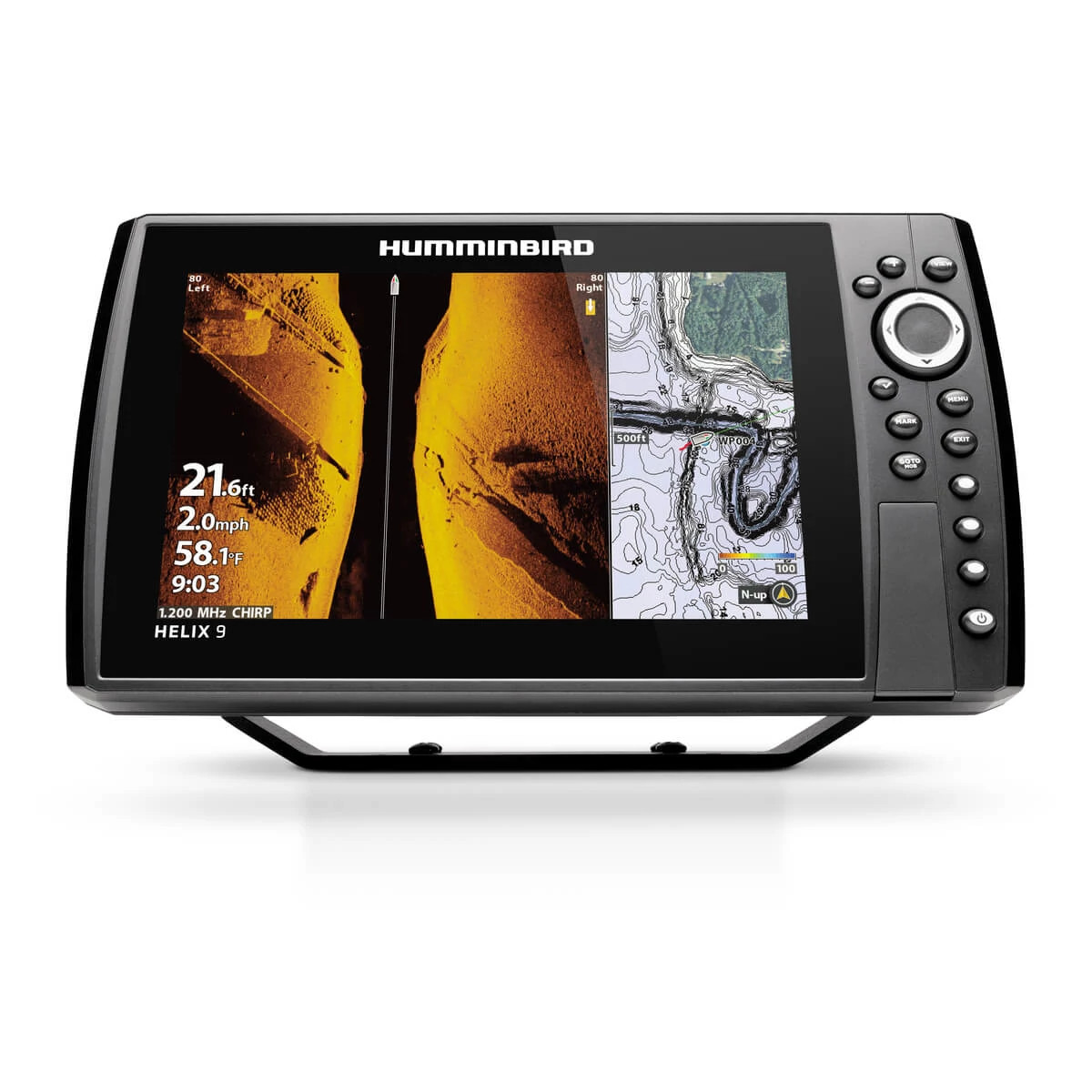
    Humminbird HELIX 9 fish finder chartplotter on a boat console

    Budget: Under $600

    Lowrance HOOK Reveal 5 TripleShot — $249.99. A genuinely capable entry point: CHIRP sonar, DownScan imaging, and a built-in GPS chartplotter on a 5″ display. It won’t wow you with screen real estate, but for a kayak, jon boat, or as a simple backup unit, it does everything most casual anglers need.

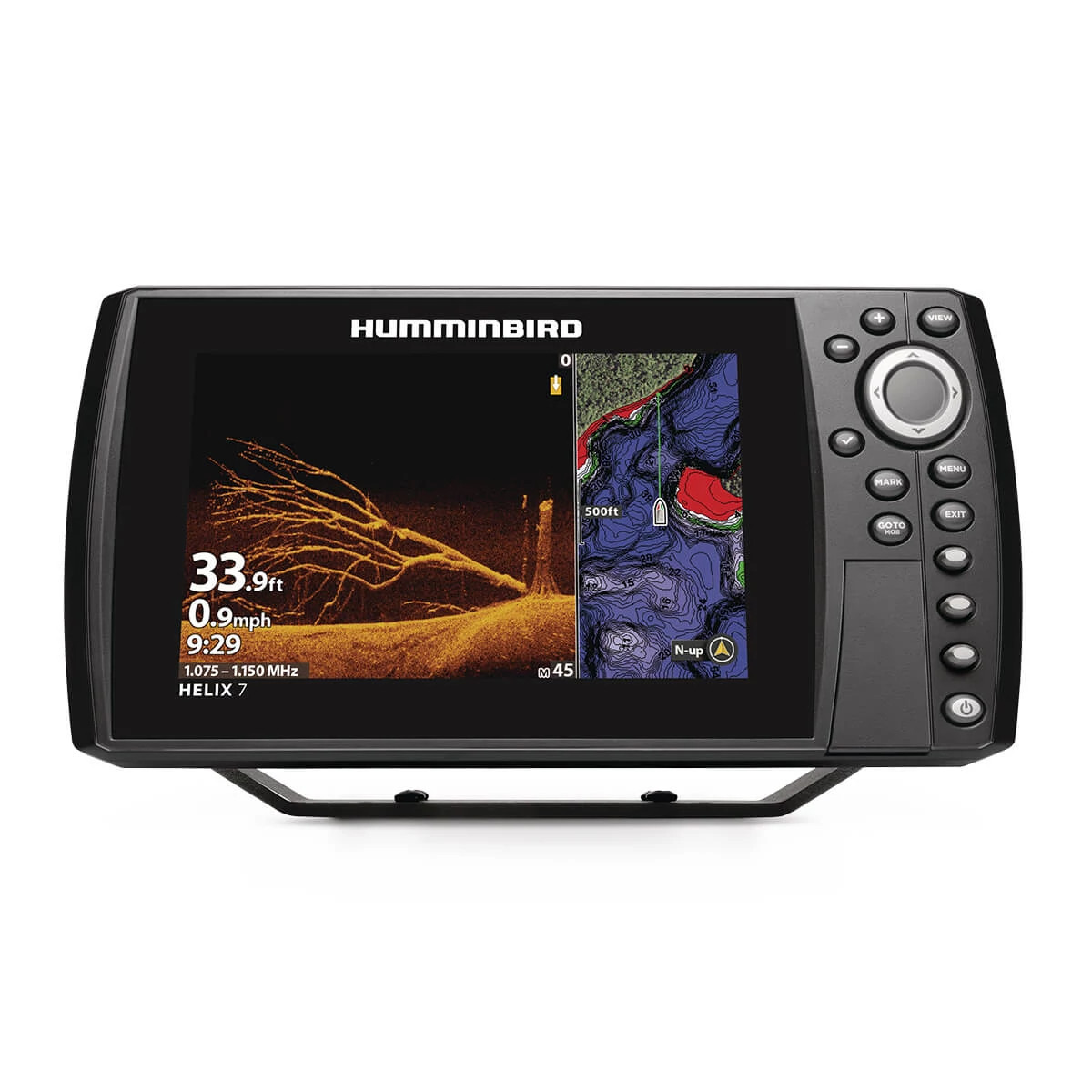
    Humminbird HELIX 7 CHIRP MEGA DI GPS G4N — $549.99. Steps up to a 7″ display with MEGA Down Imaging, which produces noticeably crisper structure detail than standard down imaging. This is the size most people actually wish they’d bought instead of a 5″.

    Mid-Range: $600–$1,100

    Garmin ECHOMAP UHD2 73cv — $649.99. Garmin’s UHD2 line packs a sharper display and built-in Quickdraw Contours mapping that lets you create your own high-detail lake maps as you fish — genuinely useful on smaller or less-charted waters.

    Humminbird HELIX 9 CHIRP MEGA SI GPS G4N — $999.99. This is where MEGA Side Imaging enters the picture — scanning a wide corridor to either side of the boat so you can find brush piles and schools without running over them first. A 9″ screen is also large enough to comfortably split sonar and mapping views.

    Premium: $1,200+

    Raymarine Axiom+ 9 RV — $1,199.99. RealVision 3D sonar renders the bottom and structure as an actual three-dimensional picture rather than a flat scroll, and the Axiom+ line runs on the same LightHouse chart ecosystem used on much larger offshore helms — useful if you think you’ll ever upgrade boats.

    Lowrance HDS PRO 9 — $1,999.99. The HDS PRO series is built for anglers who live on the water: faster processors, brighter high-contrast displays for direct sunlight, and full compatibility with Lowrance’s ActiveTarget live sonar system if you want to add it later.

    How to Actually Pick Between Them

    If you’re not sure where to start, work backward from how you fish rather than the spec sheet. Casual weekend angler on a small lake? Budget tier is genuinely enough. Fishing tournaments or unfamiliar water regularly? The mapping and side-imaging features in the mid-range tier pay for themselves fast. Chasing suspended fish in open water or fishing offshore structure? That’s when premium sonar resolution and live sonar compatibility start to matter. For the mechanics behind CHIRP, down imaging, and side imaging referenced above, see our guide on how fish finders actually work.

    Frequently Asked Questions

    Is it worth paying extra for a bigger screen?
    Usually yes, if your budget allows it. Once you start splitting the screen between sonar and mapping (which most anglers do), anything under 7″ feels cramped fast.

    Do I need a separate GPS unit if I buy a fish finder?
    No — virtually every fish finder sold today, including every unit above, is a combo unit with a built-in GPS chartplotter.

    What’s the single best upgrade from a budget unit?
    Side imaging. It fundamentally changes how you locate fish and structure compared to only having a down-facing cone, more than any other single spec.

    Should I buy based on brand or on the specific model?
    Model, every time. Garmin, Lowrance, and Humminbird all make excellent units across every price tier — see our Garmin vs. Lowrance vs. Humminbird comparison if brand loyalty or existing accessories (transducers, mounts) are a factor for you.

  • How Does a Fish Finder Actually Work?

    How Does a Fish Finder Actually Work?

    Walk into any tackle shop and ask “what fish finder should I buy?” and you’ll get a wall of jargon back — CHIRP, down imaging, side imaging, transducer frequency, beam angle. None of it makes sense until you understand what a fish finder is actually doing underneath your boat. Once you get the fundamentals, choosing between models (and reading the screen once you’re on the water) gets a lot easier.

    The Basic Idea: Sound, Not Sight

    A fish finder doesn’t “see” anything. It sends a pulse of sound energy down through the water from a transducer mounted on your hull or transom, and listens for the echo bouncing back. The time it takes for that echo to return tells the unit how far away an object is; the strength and shape of the echo tells it roughly what that object is — the bottom, a school of baitfish, structure, or a single big fish suspended in the water column. Your display just translates thousands of these echoes per second into a scrolling picture.

    CHIRP vs. Traditional Sonar

    Older, single-frequency sonar sends one pitch of sound (say, 200kHz) and reads the echo. CHIRP (Compressed High-Intensity Radiated Pulse) sends a sweep across a range of frequencies in every ping, which returns far more detail and separates targets that would blur together on traditional sonar — two fish holding close together, or a fish sitting right on the bottom. Nearly every fish finder worth buying today runs CHIRP as standard, including budget units like the Lowrance HOOK Reveal 5.

    Down Imaging, Side Imaging, and Live Sonar

    Traditional 2D sonar shows a cone-shaped slice directly under the boat. Down imaging uses a wider, flatter beam to produce a near-photographic picture of what’s directly below — brush piles, stumps, and individual fish show up as sharp, recognizable shapes rather than arches. Side imaging aims that same flat beam out to the sides, letting you scan a corridor 100–200+ feet wide without moving the boat, which is how experienced anglers find structure and schools without blind-casting the whole lake.

    The newest step up is forward-facing live sonar (Garmin LiveScope, Lowrance ActiveTarget, Humminbird MEGA Live) which updates in real time instead of scrolling historically, so you can literally watch your bait fall past a fish and see it react. We cover the difference in more depth in our live sonar vs. traditional sonar guide.

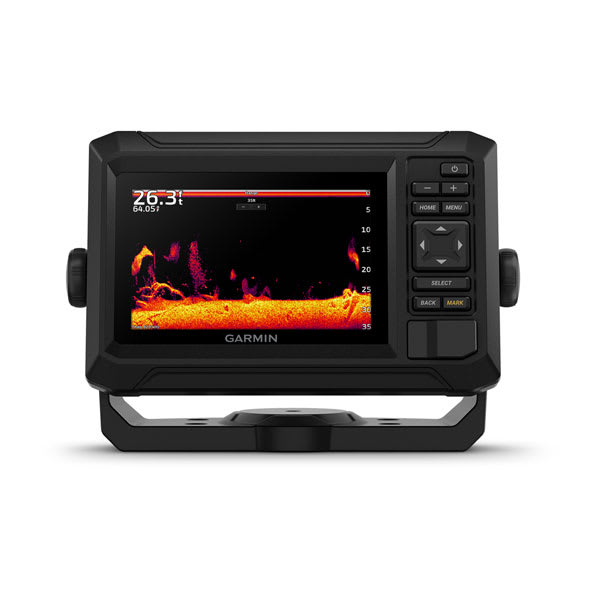
    Garmin ECHOMAP fish finder and chartplotter combo display
    A combo fish finder/chartplotter display like the Garmin ECHOMAP UHD2 shares sonar and GPS map data on one screen.

    Why Transducer Placement Matters

    A high-end display is only as good as the transducer feeding it. Transom-mount transducers are the easiest DIY install and fine for most recreational use; thru-hull transducers sit flush with the hull for cleaner readings at higher speed; trolling-motor-mounted transducers (common with side and live imaging) move with the bow of the boat so you’re always scanning where you’re actually pointed. If you’re mounting your own, our fish finder & chartplotter collection lists the transducer each unit ships with so you know what you’re getting before it arrives.

    GPS and Chartplotting: The Other Half of the Screen

    Almost every fish finder sold today is really a combo unit — sonar plus a GPS chartplotter sharing one screen. The GPS side lets you drop waypoints on productive spots, follow contour lines that reveal drop-offs and ledges, and in many cases overlay lake maps or coastal charts. If you’re trying to decide whether you even need a dedicated unit instead of a phone app, that’s a separate question we answer directly in chartplotter vs. phone GPS apps.

    Frequently Asked Questions

    Do I need CHIRP, or is traditional sonar fine?
    CHIRP costs little to nothing extra on current-generation units and gives meaningfully better target separation, so there’s rarely a reason to buy traditional-only sonar today.

    What frequency should I look for?
    Lower frequencies (50kHz) penetrate deeper water and cover a wider cone; higher frequencies (200kHz+) give sharper detail in shallower water. Most CHIRP units sweep a range and let the software pick the best return, so this matters less than it used to — but if you fish deep offshore water regularly, check that the transducer is rated for it.

    Does a bigger screen actually help?
    Yes, more than most people expect. Side-by-side split screens (sonar + chartplotter, or down + side imaging) eat screen space fast, and a 5″ display gets cramped quickly if you run more than one view. Most serious anglers land on 7″ to 9″ as the sweet spot.

    Can I add live sonar to a unit I already own?
    Sometimes. Garmin LiveScope and Lowrance ActiveTarget systems can often be added as a second transducer feeding into a compatible existing display — check your specific model’s compatibility before buying the add-on system.

    Ready to compare actual models instead of specs sheets? Our best fish finders by budget guide breaks down real picks at every price point, and if you’re torn between brands, see Garmin vs. Lowrance vs. Humminbird.

🎁 10% OFF