Tag: marine GPS

  • Buy Garmin Rino 750 Handheld GPS: In Stock, Best Price

    Buy Garmin Rino 750 Handheld GPS: In Stock, Best Price

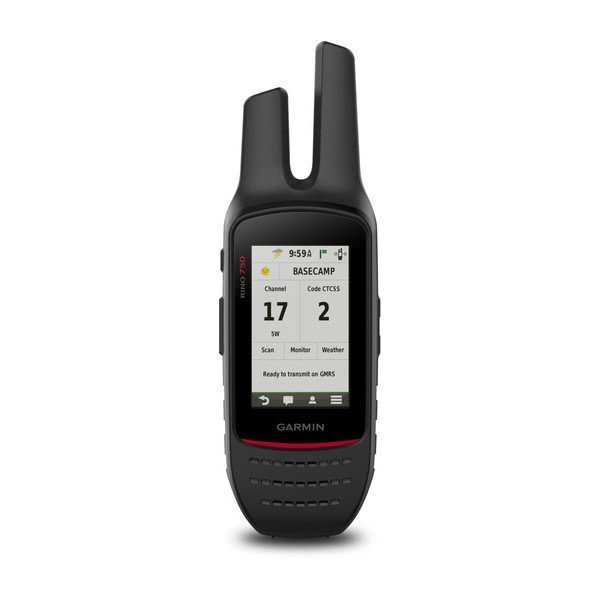
    Rugged handheld GPS/GLONASS navigator with an integrated GMRS/FRS 2-way radio — share your position with the crew while you talk.

    [BUY NOW: Check Garmin Rino 750 Handheld GPS Stock & Direct Pricing]

    Garmin Rino 750 Handheld GPS with 2-Way Radio – $549.99 – in stock
    Check Availability & Order Direct →

    Garmin Rino 750 Handheld GPS handheld radio
    Garmin Rino 750 Handheld GPS with 2-Way Radio

    Garmin Rino 750 Handheld GPS: Key Features & Specifications

    • Integrated GPS/GLONASS navigation with touchscreen
    • Built-in 2-way GMRS/FRS radio
    • Position-sharing between paired Rino radios
    • Preloaded worldwide basemap
    • Rugged, water-resistant handheld design
    • Useful for dinghy trips, tenders, and shore parties

    Price: $549.99  |  Availability: in stock. Confirm compatibility with your boat and existing equipment before you order.

    Why Choose the Garmin Rino 750 Handheld GPS?

    A reliable radio is a safety essential on the water. The Garmin Rino 750 Handheld GPS gives you a way to stay in contact with other boats, marinas and, where applicable, rescue services.

    Check whether you need a marine VHF or a general-purpose two-way radio, and look at water resistance and battery life before you choose. For more help deciding, read our top handheld VHF radios, VHF channels explained, VHF vs two-way radios guide.

    How It Compares

    Product Price Details
    Garmin Rino 750 Handheld GPS $549.99 View this product
    Midland GXT67 PRO 5-Watt GMRS Two-Way Radio $219.99 View product
    Motorola CLS1110 1-Channel Business Two-Way R $197.00 View product
    Standard Horizon HX40 Ultra-Compact Handheld $179.99 View product

    If budget is the priority, Standard Horizon HX40 Ultra-Compact Handheld starts at $179.99. The Garmin Rino 750 Handheld GPS is the step up when you want the features listed above.

    Who Should Buy the Garmin Rino 750 Handheld GPS?

    Boaters who want a dependable backup or primary radio, kayakers and small-boat owners who need a compact unit, and anyone who wants a simple way to stay in contact on the water will find it useful. Always carry a means of calling for help.

    Before You Buy: Quick Checklist

    • Decide whether you need a marine VHF or a general-purpose two-way radio.
    • Check water resistance and whether it floats.
    • Look at battery life and charging options.
    • Check the rules that apply where you boat.

    Buyer FAQs

    Will the Garmin Rino 750 Handheld GPS work with my setup?

    Radios must suit the channels and rules that apply where you boat, so confirm which type you need. If you are unsure, contact us with your boat and equipment details and we will confirm before you order.

    How fast can I get it?

    Orders placed before 2PM EST ship the same day, and we ship worldwide. Free shipping applies on orders over $1,300. Delivery times depend on your location and the service chosen at checkout.

    Is it worth $549.99?

    A radio costs little compared with the value of being able to call for help. Compare features such as water resistance and battery life in the table above and pick the one that suits how you boat.

    Order Your Garmin Rino 750 Handheld GPS Today

    It is in stock at $549.99. Order Direct Today, or browse more in our full range. Products carry the manufacturer’s warranty. Ask us about coverage before you order.
  • Understanding Marine Radar: Range, Overlay, and When You Need It

    Understanding Marine Radar: Range, Overlay, and When You Need It

    Radar is the one piece of marine electronics most recreational boaters go without — and the one that matters most the first time you’re caught out after dark, in fog, or in a sudden squall with visibility dropping to nothing. Here’s what marine radar actually does and how to know if you need it.

    What Marine Radar Actually Shows You

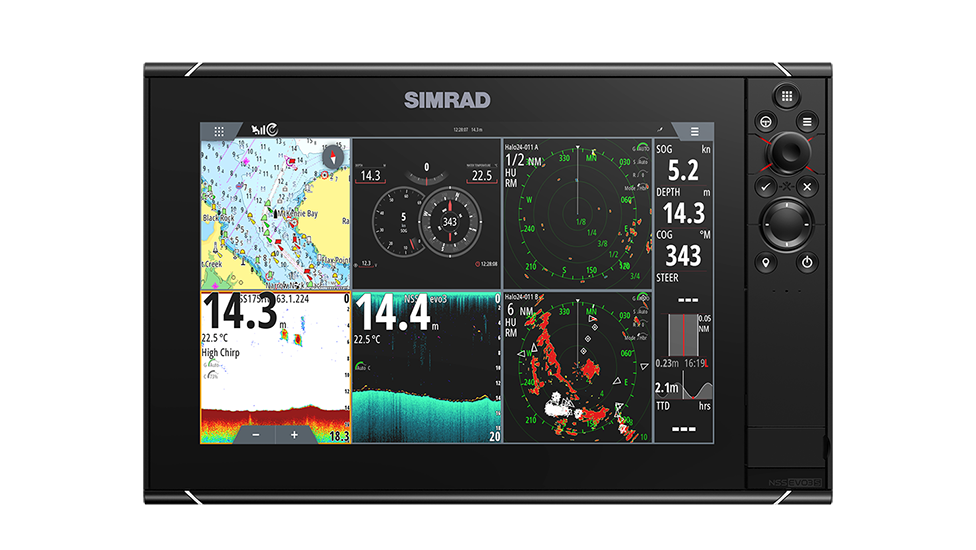
    Unlike sonar, which looks down into the water, radar sweeps horizontally, sending out radio pulses and building a picture of everything solid around your boat — other vessels, shoreline, buoys, and squalls carrying enough moisture to reflect a return. On a networked multifunction display like the Garmin GPSMAP 8616xsv, radar typically overlays directly on your chart screen, so you see real vessel and shoreline returns lined up against your GPS position and course.

    Range and Resolution

    Radar range is a trade-off: longer range lets you spot weather and large vessels well in advance, but resolution drops at distance and close-in targets can get harder to distinguish. Most recreational radomes cover a practical range from a few hundred feet out to 24-48 nautical miles depending on the unit and antenna height, with better near-range resolution generally coming from open-array antennas over compact radomes — though radomes remain far more common on recreational boats for their lower cost, weight, and easier mounting.

    Marine chartplotter display showing radar and navigation overlay
    Radar typically overlays directly onto the chart screen on a networked multifunction display.

    Collision Avoidance and Fog/Night Navigation

    The single biggest reason recreational boaters add radar is situational awareness when visual range is compromised — fog, heavy rain, or running after dark in busy traffic areas. Radar picks up vessels and hazards well before they’re visible, and features like MARPA (Mini Automatic Radar Plotting Aid) on higher-end systems track other vessels’ speed and heading automatically to flag potential collision risks.

    Storm and Weather Tracking

    Radar also reads precipitation density, which means a boat with radar can visually track an approaching squall’s intensity and movement on screen well before it arrives — genuinely useful information when you’re deciding whether to keep fishing or head in.

    Do You Actually Need It?

    If you exclusively day-boat on a small inland lake in clear conditions, radar is a nice-to-have rather than essential. If you run coastal, offshore, in busy shipping lanes, or regularly out before dawn or after dusk, radar moves from optional to genuinely important safety equipment — the kind of purchase that pays for itself the one time visibility drops and you’re glad it’s there.

    Frequently Asked Questions

    Does radar replace AIS for collision avoidance?
    No — they’re complementary. AIS shows you the identity, course, and speed of other AIS-equipped vessels via broadcast signal; radar shows you everything solid in range regardless of whether it’s transmitting AIS, including small craft, buoys, and landmasses. Serious offshore setups run both.

    Can I add radar to a chartplotter I already own?
    Often, yes, if your existing MFD supports a networked radar antenna — check your unit’s compatibility list before buying a standalone radome, since radar typically requires a specific network connection type matched to the display brand.

    How much does adding radar typically cost?
    Radar-capable multifunction displays like the units in our best marine radar for small and mid-size boats guide start in the low thousands including the display, with the radar antenna itself typically an additional cost on top.

    Do I need radar if I already have a good chartplotter and GPS?
    GPS and charts show you where you are; radar shows you what else is physically out there right now, including things with no GPS transponder at all — they solve different problems and most offshore-capable setups eventually add both.

    Ready to see specific radar-capable systems? See our best marine radar for small and mid-size boats guide, or browse the full chartplotter & MFD collection.

  • Chartplotter vs. Phone GPS Apps: Do You Need a Dedicated Unit?

    Chartplotter vs. Phone GPS Apps: Do You Need a Dedicated Unit?

    Your phone already has GPS, a mapping app, and a bigger app ecosystem than any marine electronics company will ever build. So why do serious boaters still spend hundreds to thousands of dollars on a dedicated chartplotter? The answer comes down to reliability, integration, and a few capabilities phone apps fundamentally can’t match on the water.

    What a Phone GPS App Does Well

    Apps like Navionics Boating or similar marine navigation apps are genuinely good for casual, close-to-shore boating — they’re inexpensive, the charts are regularly updated, and most boaters already know how to use a phone interface. For a weekend on a familiar lake or a short coastal run with cell coverage nearby, a phone app is a perfectly reasonable primary tool, and even boaters with a full chartplotter often keep one installed as a backup.

    Where Phone Apps Fall Short

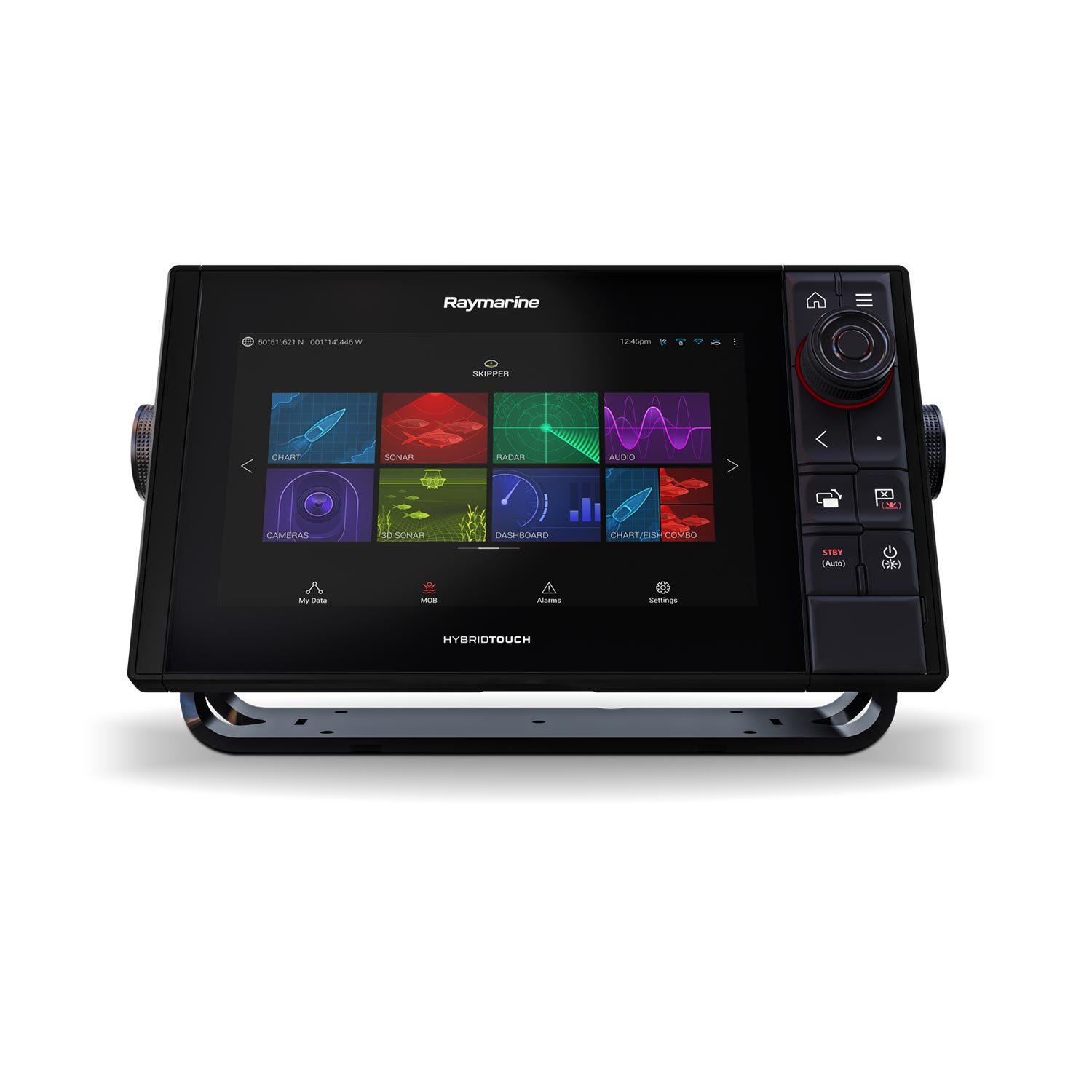
    The gap shows up in conditions that matter most: direct sunlight readability (marine displays are built for full-sun visibility; phone screens generally aren’t), waterproofing (a chartplotter is rated for spray and rain; a phone in a case is a compromise), and battery life (a chartplotter runs off the boat’s power system all day; a phone burns through its battery fast with GPS and screen-on navigation running continuously). More importantly, a dedicated unit like the Raymarine Axiom Pro 9 S integrates directly with your boat’s sonar, radar, and autopilot over a single network — a phone app operates in isolation from all of that.

    Raymarine Axiom Pro chartplotter mounted at the helm
    A helm-mounted chartplotter integrates sonar, radar, and autopilot data that a phone app can’t reach.

    Signal and Cell Coverage

    This is the dealbreaker for many boaters: most phone navigation apps rely at least partly on cell data for map tiles, live weather, and AIS traffic overlays, even if base charts are cached offline. Once you’re a few miles offshore or in a coverage dead zone, that functionality can degrade exactly when you need it most. A standalone chartplotter’s charts, GPS, and (if equipped) radar and AIS all run independently of cell signal.

    Integration With Sonar and Radar

    If you already run a fish finder or are considering marine radar, a combo chartplotter/sonar unit or a networked MFD system shares one screen and one set of controls for everything — overlaying your route on the same display as your sonar returns or radar picture. Our guide to how fish finders work covers how the sonar side of that integration functions.

    Frequently Asked Questions

    Can I use a phone app as my only navigation on the water?
    For casual, near-shore boating in good conditions, many boaters do. For anything offshore, in variable weather, or where reliability genuinely matters, most experienced boaters treat a phone app as a backup to a dedicated chartplotter, not a replacement.

    Do I need a chartplotter if I already have a fish finder with GPS?
    Many combo fish finder/chartplotter units already include full navigation charting — check whether your unit has chartplotting built in before assuming you need a separate dedicated MFD.

    What size chartplotter display should I buy?
    Bigger is almost always better for on-water readability, especially if you’ll split the screen between charts and sonar or radar — 9-inch units like the Axiom+ 9 are a common sweet spot, while serious offshore setups often run 12-16 inches, like the Garmin GPSMAP 8616.

    Does a chartplotter need an internet connection to work?
    No — charts are stored on the unit or a memory card, and GPS positioning doesn’t require cell or internet signal at all, which is the core reliability advantage over a phone app.

    Ready to compare actual chartplotter models? See our best marine chartplotters compared guide, or browse the full fish finder & chartplotter collection.

  • VHF Marine Radio Channels Explained: What to Monitor and When

    A marine VHF radio is only as useful as your understanding of what’s actually happening on each channel. Unlike a general-purpose walkie talkie, VHF marine channels are internationally regulated and each one has a specific, expected use — get it wrong and you’re either missing a call for help or clogging a channel other boaters depend on. Here’s what you actually need to know.

    Channel 16: The One Channel Everyone Must Know

    Channel 16 (156.800 MHz) is the international distress, safety, and calling frequency. Every fixed and handheld marine VHF radio monitors it, and the U.S. Coast Guard maintains a continuous listening watch. The rule is simple: keep Channel 16 as your default/standby channel any time you’re underway, use it only to initiate a distress call or to hail another vessel briefly before switching to a working channel, and never use it for ongoing conversation. This is different from FRS/GMRS radios like a Motorola Talkabout T802, which share no channels with marine VHF at all and aren’t monitored by the Coast Guard.

    Distress, Safety, and Working Channels

    Beyond Channel 16, a handful of channels matter most for recreational boaters:

    Channel 9 is a secondary hailing channel used in many U.S. recreational boating areas to keep routine calling traffic off 16. Channels 68, 69, 71, 72, and 78A are common non-commercial working channels for boat-to-boat conversation once you’ve made contact. Channel 22A is used by the Coast Guard to broadcast safety and weather-related information and to switch distress traffic off of 16 for follow-up communication. Channels 13 and 67 are bridge-to-bridge channels used near locks, bridges, and in some commercial traffic areas.

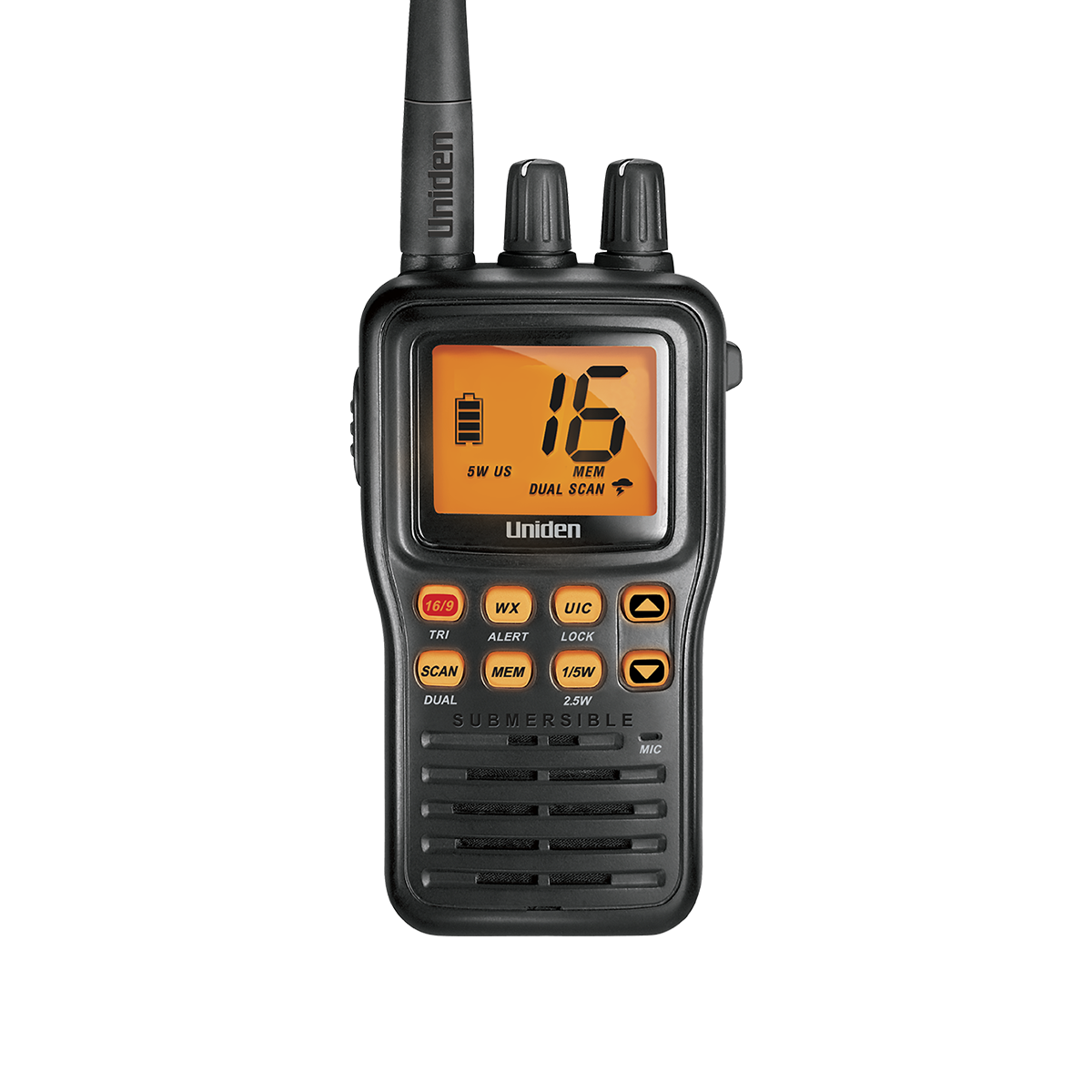
    Uniden MHS75 submersible handheld VHF marine radio
    A dedicated handheld VHF radio monitors Channel 16 and gives you real Coast Guard-monitored emergency communication, unlike a consumer walkie talkie.

    Weather Channels (WX1–WX10)

    NOAA Weather Radio broadcasts continuous forecasts and alerts on a dedicated set of weather channels (WX1 through WX10) that most marine VHF radios, including budget handhelds, tune separately from the standard ship channels. Checking the weather channel before heading out, and leaving a radio’s weather-alert function enabled while underway, is one of the simplest habits that separates prepared boaters from everyone else.

    DSC: Digital Selective Calling

    Modern fixed-mount and many handheld VHF radios include DSC (Digital Selective Calling), which lets you send an automated distress alert — including your GPS position, if the radio is connected to or has a built-in GPS — with a single button press, broadcast simultaneously to the Coast Guard and any DSC-equipped vessels in range. If your radio has DSC, register it for a free MMSI number before you need it; an unregistered DSC radio can still send an alert, but responders won’t have your vessel information on file.

    Frequently Asked Questions

    Can I use a regular walkie talkie instead of a marine VHF radio on the water?
    You can carry one as a backup for boat-to-boat chatter at close range, but it isn’t monitored by the Coast Guard and doesn’t reach shore stations or other vessels the way marine VHF does — it shouldn’t be your only communication device offshore or on open water.

    Do I need a license to operate a marine VHF radio?
    Recreational boaters in the U.S. operating domestically generally don’t need an individual license, but a vessel traveling internationally or carrying certain commercial/DSC equipment may need a Ship Station License — check current FCC requirements for your specific situation.

    What’s the difference between a handheld and a fixed-mount VHF radio?
    Fixed-mount radios run on the boat’s power, connect to a permanently mounted antenna, and transmit at higher wattage (typically 25W) for longer range; handhelds like the Standard Horizon HX40 are battery-powered, portable, and usually cap around 5-6W — ideal as a backup, for smaller boats, or for going ashore in a dinghy.

    How far does a handheld VHF radio actually reach?
    Range depends heavily on antenna height on both ends since VHF is line-of-sight — a handheld talking to another handheld at water level might only reach 2-5 miles, while a handheld talking to a tall shore station or another boat’s mast-mounted antenna can reach considerably farther.

    Ready to pick a specific radio? See our top handheld VHF radios for boaters comparison, or browse the full VHF radio collection. If you’re deciding between VHF and a consumer two-way radio for a specific use case, our VHF vs. two-way radio guide covers that comparison directly.

  • VHF vs. Two-Way Radio: What Boaters Actually Need (Featuring the Motorola MOTOTRBO CP200d)

    Ask five boaters what radio they need and you’ll get five different answers — and at least two of them will be wrong for what that person actually does on the water. Marine VHF, FRS/GMRS walkie talkies, and commercial two-way radios like the Motorola MOTOTRBO CP200d all say “radio” on the box, but they solve completely different problems. Get the wrong one and you’ll find out at the worst possible moment — usually when you’re trying to reach the dock, not the Coast Guard.

    VHF vs. FRS/GMRS vs. Business Radio — What’s the Difference?

    Marine VHF is the radio the Coast Guard, other vessels, and marinas monitor on Channel 16. It’s the only category built for distress calling, DSC (Digital Selective Calling), and ship-to-ship hailing over open water. If you’re underway and need to be reachable by anyone else on the water, a marine VHF like the Uniden Atlantis 155 or Cobra MR HH350 FLT is non-negotiable.

    FRS/GMRS radios (the Motorola Talkabout and Midland GXT lines) are consumer walkie talkies. They’re not monitored by anyone outside your group and can’t reach Channel 16, but they’re cheap, simple, and fine for keeping a dinghy crew, guests, or shore party in touch over a few miles.

    Business/commercial two-way radios like the Motorola MOTOTRBO CP200d are a third category entirely — built for one team to talk to itself reliably, all day, in noisy working conditions. They’re not marine-rated for distress use and can’t reach Channel 16, but for marina staff, charter crews, and dock-to-warehouse communication, they outperform both VHF and consumer FRS radios.

    Meet the Motorola MOTOTRBO CP200d

    The Motorola MOTOTRBO CP200d is a digital/analog commercial handheld with 16-channel capacity, IP54 water and dust resistance, and the kind of clear audio that cuts through engine noise and dock chatter. It’s built for the operational side of running a marina, charter business, or boatyard — coordinating slips, hauling gear, and keeping shop-floor staff connected — not for hailing other vessels.

    Right now it’s 15% off at $441.15 (regular $519.00). Shop the CP200d.

    Which Radio Actually Fits Your Situation?

    Here’s how we’d point different boaters and operators toward the right radio:

    Frequently Asked Questions

    Can I use a business radio like the CP200d to call for help on the water?

    No. The CP200d can’t reach Channel 16 or perform DSC distress calling. Keep a marine VHF aboard for that — the CP200d is for team and dock communication, not vessel-to-vessel hailing.

    Do I need a license to operate these radios?

    Marine VHF operation generally doesn’t require an individual license for recreational use in the US. GMRS radios like the Midland GXT67 PRO require an FCC GMRS license (no test required). Business radios like the CP200d typically operate on licensed frequencies managed by the purchasing business.

    What’s the difference between FRS and GMRS?

    FRS (Family Radio Service) is license-free but limited in power and range. GMRS allows higher power, repeater use, and longer range, but requires an FCC license.

    Ready to Gear Up?

    Browse the full lineup in VHF Radios & Marine Communication, or contact the technical team if you’re not sure which radio fits your setup.

🎁 10% OFF