Kayak fishing has its own electronics rules — limited deck space, no dedicated power system, and a hull that needs a clean, non-invasive mounting approach. The good news is you can build a genuinely capable setup without the budget or complexity of a full boat rig. Here’s where to start.
Power: The First Thing to Solve
Unlike a boat, a kayak has no engine charging a battery bank, so every electronic device draws down a dedicated, portable power source. A small 12V sealed lead-acid or lithium battery in a waterproof box is the standard setup for a fish finder and any accessories; size it to your unit’s draw and typical time on the water, and always carry it in a way that keeps connections dry. This is the first budget line to plan for — a great fish finder with no reliable power is dead weight.
Choosing a Fish Finder for a Kayak
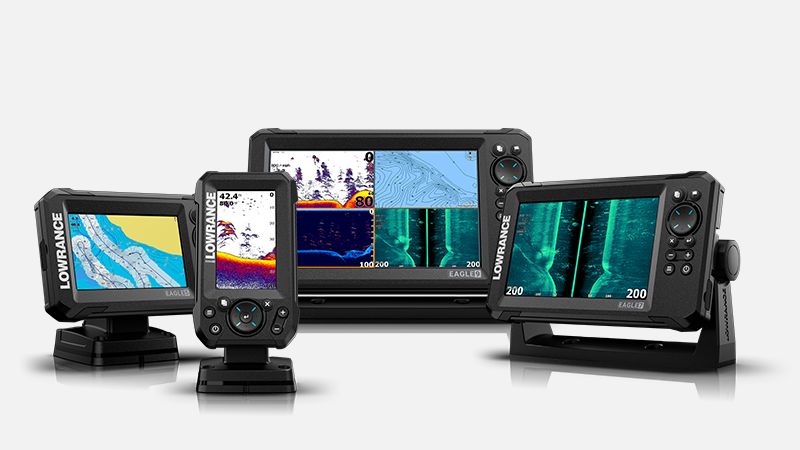
Compact displays built for small craft, like the Garmin Striker Vivid 4cv, hit the sweet spot of a small footprint, low power draw, and real CHIRP/ClearVu sonar with built-in GPS — more than enough for most kayak anglers without the size or cost of a full boat-class unit. If you want a step up in screen size and still-modest power draw, the Humminbird HELIX 5 CHIRP GPS G3 is a popular mid-tier choice. For the fundamentals of how any of these units actually work, see our how fish finders work guide.
A Castable Option Worth Knowing About
If you’d rather skip permanent mounting and wiring entirely, castable sonar units like the Deeper PRO+ 2 Smart Sonar pair a floating, throwable sonar ball with your phone over WiFi — no battery installation, no transducer mount, and it works from a kayak, the bank, or ice. It trades some of the screen size and features of a mounted unit for genuine simplicity.
Mounting Without Drilling
Many kayak anglers avoid permanent hull penetrations by using a transducer arm or scupper-hole mount that clamps to the kayak rather than requiring thru-hull installation, along with track-mount systems (RAM mounts and similar) that let you add and reposition a display without new holes each time you upgrade gear.
Adding a Trolling Motor and Live Sonar
Once the basics are dialed in, many kayak anglers add a small trolling motor like the Bixpy K-1 Outboard Motor Kit for hands-free positioning, and increasingly, kayak-compatible live sonar via mounts like the Power-Pole Micro Anchor for instant-hold shallow anchoring. Our live sonar vs. traditional sonar guide covers whether that upgrade makes sense for your fishing style.
Frequently Asked Questions
How much should I budget for a basic kayak fish finder setup?
A capable entry unit, a small dedicated battery, and basic mounting hardware typically runs a few hundred dollars total — considerably less than a boat-class setup while still giving you real CHIRP sonar and GPS.
Do I need to drill into my kayak to mount electronics?
No — scupper-hole and clamp-on transducer mounts, along with track-mount display arms, let most anglers add a full fish finder setup without any permanent hull modification.
Is a castable sonar as good as a mounted fish finder?
It trades some screen size and continuous power for simplicity — a castable unit like the Deeper PRO+ 2 is a strong choice if you want zero installation, but a mounted display generally offers a larger, easier-to-read screen on the water.
How do I keep electronics dry on a kayak?
Use waterproof battery boxes, marine-rated connectors, and mount displays above expected spray lines; even “waterproof” units benefit from keeping wiring connections out of standing water in the hull.
Ready to see specific kayak-friendly fish finders side by side? See our best kayak fish finders guide, or browse the full kayak & small boat electronics collection.
Leave a Reply