Tag: Garmin live sonar

  • Best Forward-Facing Live Sonar Systems Compared

    Best Forward-Facing Live Sonar Systems Compared

    Garmin, Lowrance, and Humminbird all sell forward-facing live sonar now, and all three work well — but they differ enough in price, ease of use, and ecosystem that the “best” one really depends on what display you already run and how much you want to spend. Here’s how the current lineups stack up.
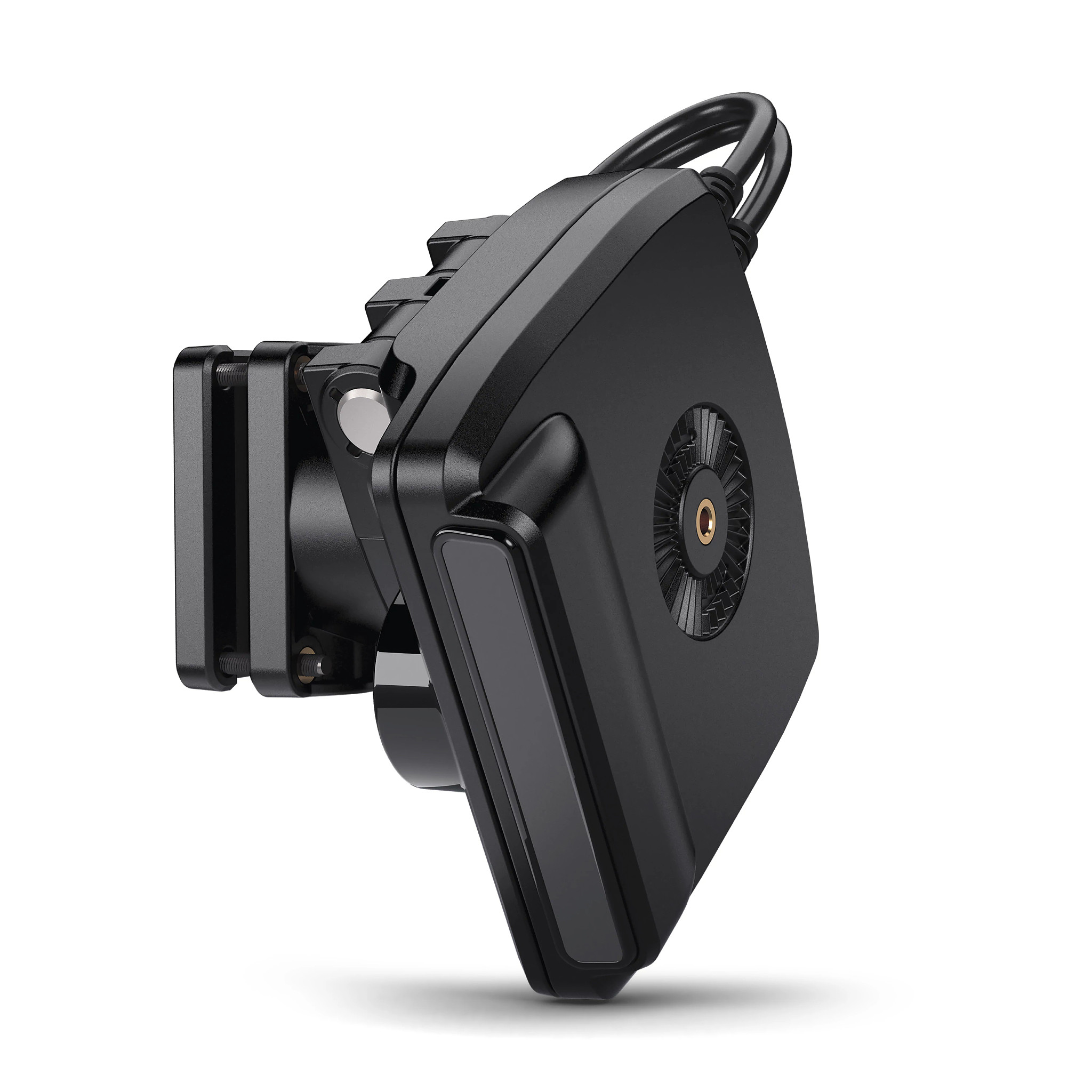
    Humminbird MEGA Live 2 forward-facing sonar transducer
    Humminbird’s MEGA Live 2 system pairs with HELIX and SOLIX displays for real-time forward and down imaging.

    Best Overall: Garmin Panoptix LiveScope Plus

    The Garmin Panoptix LiveScope Plus System with GLS 10 and LVS34 Transducer ($1,799.99) remains the benchmark most anglers compare everything else against — sharp image quality, a dedicated black-box processor (the GLS 10) that keeps your main chartplotter screen free, and forward/down switching from one transducer. If you already run a Garmin chartplotter, this is the path of least resistance.

    Best Value Upgrade: Garmin LiveScope 2 HD Transducer

    If you already own a compatible Garmin display and GLS black box, the Garmin LiveScope 2 HD Transducer (LVS42HD) ($2,199.99) is a transducer-only upgrade that sharpens resolution over the original LiveScope without replacing your whole system — worth it for anglers who fish tournaments and want every bit of extra detail.

    Best for Lowrance Owners: ActiveTarget 2

    The Lowrance ActiveTarget 2 Live Sonar System with Transducer ($1,699.00) is the natural pick if you’re already running an HDS PRO display, with tight integration into Lowrance’s C-MAP mapping and a well-regarded target-separation algorithm that many bass anglers rate as class-leading for picking individual fish out of a school.

    Best for Humminbird Owners: MEGA Live 2

    The Humminbird MEGA Live 2 Imaging Live Sonar System ($1,599.99) pairs with HELIX and SOLIX displays and currently undercuts both Garmin and Lowrance’s equivalent bundles on price while offering the same forward/down switching. It’s a strong entry point if you’re building a Humminbird setup from scratch.

    Cheapest Way In: Add-On Transducers

    If your existing display already supports live sonar and you just need the sensor, the Humminbird MEGA Live 2 Forward-Facing Sonar ($1,399.99) transducer-only option is the least expensive way into real-time imaging on compatible HELIX/SOLIX units.

    Frequently Asked Questions

    Do I need a separate black box for live sonar?
    Garmin’s Panoptix system uses a dedicated GLS 10 processor; Lowrance ActiveTarget and Humminbird MEGA Live both process through the main display’s own processor, so check your display’s specifications for compatibility before buying a transducer alone.

    Which brand has the sharpest image?
    All three are close at this point and the differences are subtle in good conditions — Garmin’s LiveScope 2 HD transducer currently edges ahead on fine detail, but Lowrance and Humminbird’s latest generations have closed most of the earlier gap.

    Can I mix brands — a Garmin transducer on a Lowrance display?
    No. Live sonar systems are proprietary to their own ecosystem; the transducer and display need to be from the same manufacturer.

    Is a bundled system or an add-on transducer the better buy?
    A bundle (transducer plus a compatible display) is the better buy if you’re starting fresh; an add-on transducer only makes sense if you already own a display confirmed compatible with that brand’s live sonar.

    Not sure live sonar is worth the jump yet? Read our plain-language explainer on traditional sonar vs. forward-facing live sonar first, or browse the complete live sonar collection.
  • Traditional Sonar vs. Forward-Facing Live Sonar: What’s the Real Difference?

    Traditional Sonar vs. Forward-Facing Live Sonar: What’s the Real Difference?

    If you’ve shopped for a fish finder in the last few years, you’ve seen the term “live sonar” plastered across the high end of the lineup — Garmin LiveScope, Lowrance ActiveTarget, Humminbird MEGA Live. It’s easily the biggest leap in recreational sonar since CHIRP, but it works completely differently from the sonar you grew up with. Here’s what’s actually different, and whether it’s worth the jump.

    How Traditional Sonar (Including Down/Side Imaging) Works

    Traditional 2D, CHIRP, down imaging, and side imaging all share one trait: they’re historical. The transducer pings straight down (or to the side), the echo returns, and the display scrolls that data across the screen as your boat moves. You’re always looking at where you were, a second or two in the past. It’s excellent for finding structure, bottom composition, and marking fish that were sitting in a spot — see our full breakdown in how fish finders actually work.

    How Forward-Facing Live Sonar Works

    Live sonar (Garmin calls it LiveScope/Panoptix, Lowrance calls it ActiveTarget, Humminbird calls it MEGA Live) aims the beam forward or down in real time, refreshing several times per second instead of scrolling historically. Point it ahead of the boat and you watch fish swim, react to your lure, and move in or out of range live, with almost no lag. Point it straight down and you get a real-time look at what’s under the boat as you sit still — useful for vertical jigging or working a single piece of cover.

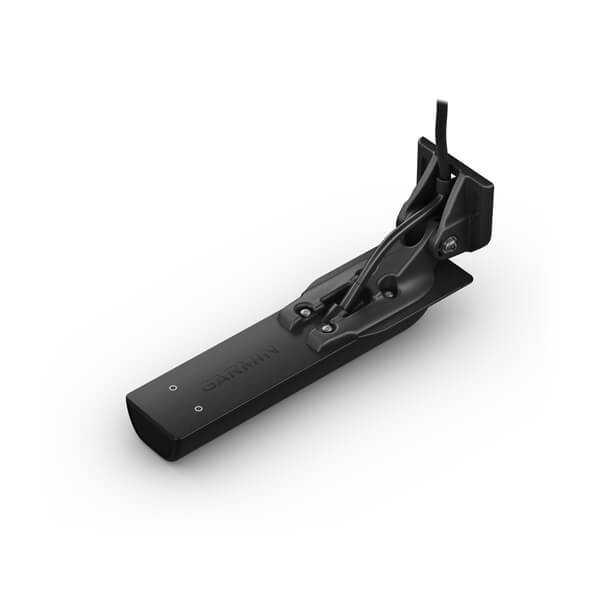
    Garmin LiveScope forward-facing live sonar transducer and display
    Garmin’s LiveScope system shows fish and structure moving in real time rather than scrolling historically.

    What Live Sonar Actually Changes on the Water

    The practical difference is feedback speed. With traditional sonar, you mark a fish, then decide where to cast based on where it was. With live sonar, you watch your bait fall through the water column in real time and see whether a fish moves toward it, ignores it, or spooks — so you adjust retrieve speed, depth, or lure choice on the fly instead of guessing on the next pass. It’s especially dominant for suspended fish (crappie, bass holding off structure, schooling stripers) that traditional sonar struggles to target precisely.

    Do You Need It, or Is Traditional Sonar Enough?

    Live sonar isn’t a replacement for a good chartplotter and traditional/side imaging — most serious anglers run both, using scrolling sonar to find general areas and structure, then live sonar to pick off individual fish once they’re in the zone. If you mostly fish familiar water and rely on GPS waypoints and contour lines, a strong CHIRP/side-imaging unit like the ones in our best fish finders by budget guide will serve you well. If you fish suspended or highly mobile species and want to close, cast, and react in real time, live sonar earns its price premium quickly.

    Frequently Asked Questions

    Can I add live sonar to a fish finder I already own?
    Often, yes. Garmin LiveScope and Lowrance ActiveTarget systems can typically be added as a second transducer feeding a compatible existing display — check your specific model’s compatibility before buying an add-on system rather than a full bundle.

    Forward, down, or both — which mode do I need?
    Forward mode is best for searching ahead and watching fish react while you’re moving or casting; down mode is best for vertical jigging or scanning directly beneath a stationary boat. Most systems, including the Garmin Panoptix LiveScope Plus System, let you switch between both from one transducer.

    Is live sonar hard to learn to read?
    There’s a learning curve of a few outings — the real-time image takes some getting used to compared to scrolling sonar — but most anglers pick up the basics faster than they expect because the picture is more intuitive, not less.

    Does live sonar work well in shallow water?
    Yes, and it’s arguably even more useful there, since precise casts matter more in tight cover. Down-imaging mode in particular excels at showing exactly where a fish is holding next to a dock piling or stump.

    Ready to see real systems side by side? Our best forward-facing live sonar systems compared guide breaks down the current Garmin, Lowrance, and Humminbird lineups by price and capability, or browse the full live sonar collection directly.

🎁 10% OFF