Category: Marine Radar

  • Best Marine Radar for Small and Mid-Size Boats

    Best Marine Radar for Small and Mid-Size Boats

    Every unit here is radar-capable when paired with a compatible radar antenna, spanning a wide budget range from a compact 9-inch combo unit to a full 16-inch offshore-grade display. Here’s how they stack up.
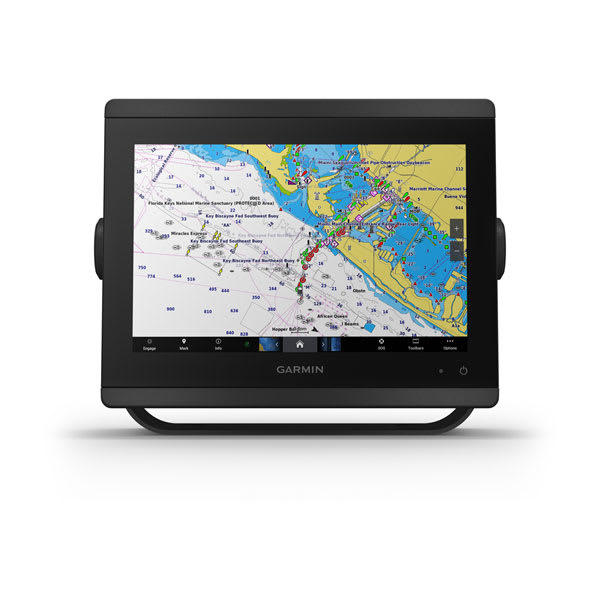
    Garmin GPSMAP multifunction display with radar overlay capability
    Garmin’s GPSMAP xsv series supports networked radar alongside sonar and chartplotting.

    Best Budget Entry: Simrad NSS9 evo3S

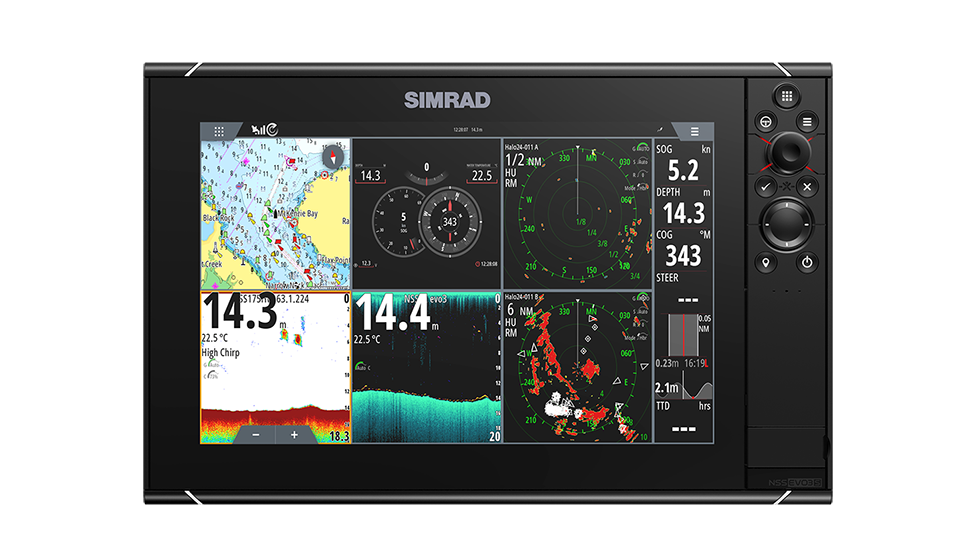
    The Simrad NSS9 evo3S 9-Inch Chartplotter Fishfinder ($1,199.00) is the least expensive way into a radar-capable networked system here, pairing C-MAP Discover charts with a display that supports Simrad’s Halo and 3G/4G radar lines — a strong starting point for a small to mid-size boat.

    Best Value Multifunction Display: Garmin GPSMAP 8610xsv

    The Garmin GPSMAP 8610xsv GN+ Multifunction Chartplotter ($1,899.00) brings Garmin’s xsv-series radar and sonar networking to a 10-inch display, a solid mid-size-boat pick that leaves room to add a radome later.

    Best for 3D Sonar Plus Radar: Raymarine AXIOM+ 12RV

    The Raymarine AXIOM+ 12RV with LightHouse North America Maps ($2,229.00) combines RealVision 3D sonar with a 12-inch display and full radar networking support — a strong choice if you want 3D sonar imaging and radar on one larger screen.

    Best for Larger Boats: Garmin GPSMAP 8612xsv

    The Garmin GPSMAP 8612xsv GN+ Multifunction Chartplotter ($2,969.00) steps up to a 12-inch display with the same xsv radar and sonar networking, suited to a busier helm running multiple data sources at once.

    Best for Full Offshore Helms: Garmin GPSMAP 8616xsv

    The Garmin GPSMAP 8616xsv GN+ 16-Inch Multifunction Display ($4,519.00) is the largest and most capable unit in this lineup, built for boats running a full networked helm with radar, multiple sonar sources, and AIS all displayed at once. It’s a serious investment aimed squarely at offshore and larger center-console owners.

    Frequently Asked Questions

    Does the radar antenna come included with these displays?
    No — these are the display/chartplotter units, and each supports a specific line of compatible radar antennas sold separately. Confirm the compatible radar family for your chosen display before ordering.

    What size display do I need to read radar clearly?
    9-10 inches works for a single full-screen radar view; if you plan to split-screen radar alongside sonar and charts simultaneously, 12 inches or larger makes a noticeable difference in usability.

    Is a bigger, more expensive display always the better choice?
    Not necessarily — match the display to your boat size and how many data sources you’ll run simultaneously. A 9-inch unit like the Simrad NSS9 is plenty for a smaller boat running radar and sonar alone.

    New to marine radar generally?
    Read our understanding marine radar guide first to understand range, overlay, and whether you actually need it for how you boat.

    Browse the full chartplotter & MFD collection to compare specs side by side.

  • Understanding Marine Radar: Range, Overlay, and When You Need It

    Understanding Marine Radar: Range, Overlay, and When You Need It

    Radar is the one piece of marine electronics most recreational boaters go without — and the one that matters most the first time you’re caught out after dark, in fog, or in a sudden squall with visibility dropping to nothing. Here’s what marine radar actually does and how to know if you need it.

    What Marine Radar Actually Shows You

    Unlike sonar, which looks down into the water, radar sweeps horizontally, sending out radio pulses and building a picture of everything solid around your boat — other vessels, shoreline, buoys, and squalls carrying enough moisture to reflect a return. On a networked multifunction display like the Garmin GPSMAP 8616xsv, radar typically overlays directly on your chart screen, so you see real vessel and shoreline returns lined up against your GPS position and course.

    Range and Resolution

    Radar range is a trade-off: longer range lets you spot weather and large vessels well in advance, but resolution drops at distance and close-in targets can get harder to distinguish. Most recreational radomes cover a practical range from a few hundred feet out to 24-48 nautical miles depending on the unit and antenna height, with better near-range resolution generally coming from open-array antennas over compact radomes — though radomes remain far more common on recreational boats for their lower cost, weight, and easier mounting.

    Marine chartplotter display showing radar and navigation overlay
    Radar typically overlays directly onto the chart screen on a networked multifunction display.

    Collision Avoidance and Fog/Night Navigation

    The single biggest reason recreational boaters add radar is situational awareness when visual range is compromised — fog, heavy rain, or running after dark in busy traffic areas. Radar picks up vessels and hazards well before they’re visible, and features like MARPA (Mini Automatic Radar Plotting Aid) on higher-end systems track other vessels’ speed and heading automatically to flag potential collision risks.

    Storm and Weather Tracking

    Radar also reads precipitation density, which means a boat with radar can visually track an approaching squall’s intensity and movement on screen well before it arrives — genuinely useful information when you’re deciding whether to keep fishing or head in.

    Do You Actually Need It?

    If you exclusively day-boat on a small inland lake in clear conditions, radar is a nice-to-have rather than essential. If you run coastal, offshore, in busy shipping lanes, or regularly out before dawn or after dusk, radar moves from optional to genuinely important safety equipment — the kind of purchase that pays for itself the one time visibility drops and you’re glad it’s there.

    Frequently Asked Questions

    Does radar replace AIS for collision avoidance?
    No — they’re complementary. AIS shows you the identity, course, and speed of other AIS-equipped vessels via broadcast signal; radar shows you everything solid in range regardless of whether it’s transmitting AIS, including small craft, buoys, and landmasses. Serious offshore setups run both.

    Can I add radar to a chartplotter I already own?
    Often, yes, if your existing MFD supports a networked radar antenna — check your unit’s compatibility list before buying a standalone radome, since radar typically requires a specific network connection type matched to the display brand.

    How much does adding radar typically cost?
    Radar-capable multifunction displays like the units in our best marine radar for small and mid-size boats guide start in the low thousands including the display, with the radar antenna itself typically an additional cost on top.

    Do I need radar if I already have a good chartplotter and GPS?
    GPS and charts show you where you are; radar shows you what else is physically out there right now, including things with no GPS transponder at all — they solve different problems and most offshore-capable setups eventually add both.

    Ready to see specific radar-capable systems? See our best marine radar for small and mid-size boats guide, or browse the full chartplotter & MFD collection.

🎁 10% OFF