Anyone who fishes flats, marsh, or shallow backwater eventually runs into the same problem: a traditional anchor and rode is slow, noisy, and awkward in two feet of water, and it can drag or foul on grass and structure. Shallow water anchors (often called “shallow water spikes” or “stake anchors”) solve this with a completely different mechanism. Here’s how they work and how to choose one.
How a Shallow Water Anchor Works
Instead of a traditional fluke anchor and rode, a shallow water anchor mounts to the transom or bow and drives a fiberglass spike (or in some cases a blade-shaped pole) straight down into the bottom using hydraulic, electric, or manual power. Deploy it and the boat is pinned in place almost instantly; retract it and you’re moving again in seconds — no pulling anchor line, no coiling rode, no risk of a fouled anchor stuck on structure.
Depth Range and Hold
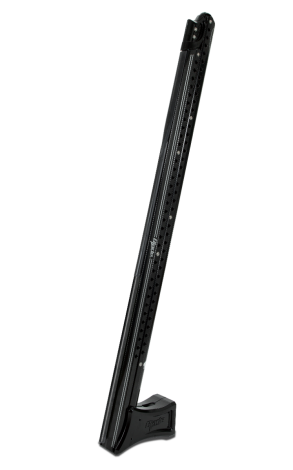
Shallow water anchors are purpose-built for skinny water — typically effective from a few inches down to 8-10+ feet depending on the spike length, with units like the Power-Pole Blade Series 10ft reaching deeper flats and marsh water than shorter spikes. Holding power comes from the spike’s penetration into the bottom rather than weight or fluke design, which is why they excel in mud, sand, and grass but aren’t a substitute for a real anchor in open, deep water.
Bluetooth and Remote Control
Most current-generation shallow water anchors, including the Minn Kota Raptor and Power-Pole’s Blade and Micro lines, offer Bluetooth app control and wireless remotes, letting you deploy or retract from anywhere in the boat — genuinely useful when you’re mid-cast and need to stop quickly without walking to a switch.
Kayak and Small Boat Options
Shallow water anchors aren’t just for bay boats — the Power-Pole Micro Anchor is purpose-built with a universal mount for kayaks and small boats, bringing the same instant-deploy convenience to craft that would otherwise rely on a drift sock or a simple stake tied off by hand.
When You Still Need a Traditional Anchor
Shallow water anchors don’t replace a traditional anchor entirely — for open water, deeper anchoring, or overnight security, a proper fluke or plow anchor like a Fortress FX-11 with adequate rode is still the right tool. Most flats and bay boat owners carry both: a shallow water anchor for quick, repeated stops while sight-fishing or working structure, and a traditional anchor for deeper or overnight anchoring.
Frequently Asked Questions
What depth is too deep for a shallow water anchor?
Most spikes top out around 8-10 feet of effective depth; beyond that, holding power and structural stress become issues, and a traditional anchor and rode is the right choice.
Do shallow water anchors work in mud and grass, or just sand?
They’re actually most popular specifically because they hold well in mud, sand, and grass bottoms where a traditional anchor tends to drag or foul — hard rock or shell bottom is where they perform worst.
Are these anchors noisy when deploying?
Older hydraulic units could be noticeable; current models, including the Minn Kota Raptor’s “Silent Deploy” feature, are specifically engineered to minimize noise so you don’t spook fish in shallow water.
Can I mount a shallow water anchor on a small boat or kayak?
Yes — the Power-Pole Micro Anchor is designed specifically for kayak and small-boat universal mounting, bringing the same technology to smaller craft.
Ready to compare specific models? See our best shallow water anchors roundup, or browse the full shallow water anchor collection.
Leave a Reply